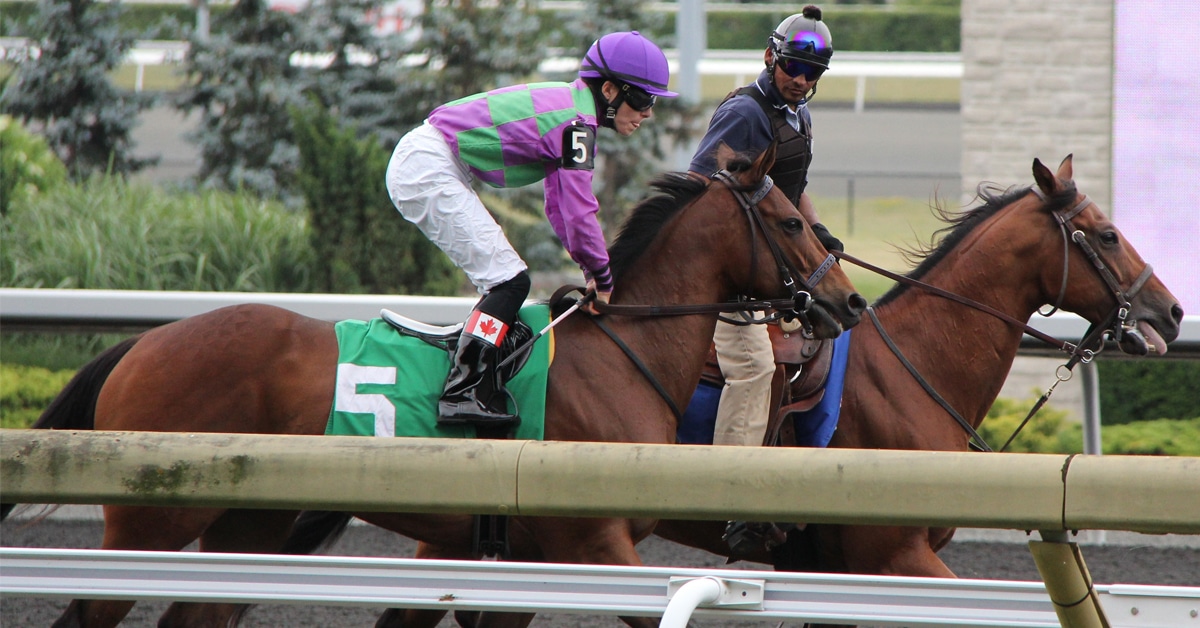
Hidden Horses Emerge from Obscurity in Tough Stakes Races
The season at the race track Woodbine rarely unfolds the way early predictions suggest. Every spring begins with confident forecasts. Analysts point to pedigrees, prep results, and training buzz. By midsummer, half those predictions usually look misplaced.
That unpredictability is exactly why Woodbine stakes races attract so much attention. Some horses arrive with established reputations. Others appear almost unnoticed in early races, then suddenly develop into legitimate contenders once the distances increase and the competition deepens.
Rising Contenders in Woodbine Stakes Races
Each season introduces a mix of returning runners and new prospects stepping into a stronger company. The early weeks often feel experimental. Trainers test distance limits, jockey pairings, and pacing tactics.
A horse that finishes third in April might simply be building fitness. By June, the same runner could look entirely different. That gradual improvement is common in Woodbine stakes races today, where consistency often matters more than early speed.
Versatility is usually the first signal of a serious contender. Horses that adapt to different pace scenarios—be it settling behind the leaders or pressing early—tend to remain competitive as the season progresses.
The Importance of Woodbine’s Racing Environment
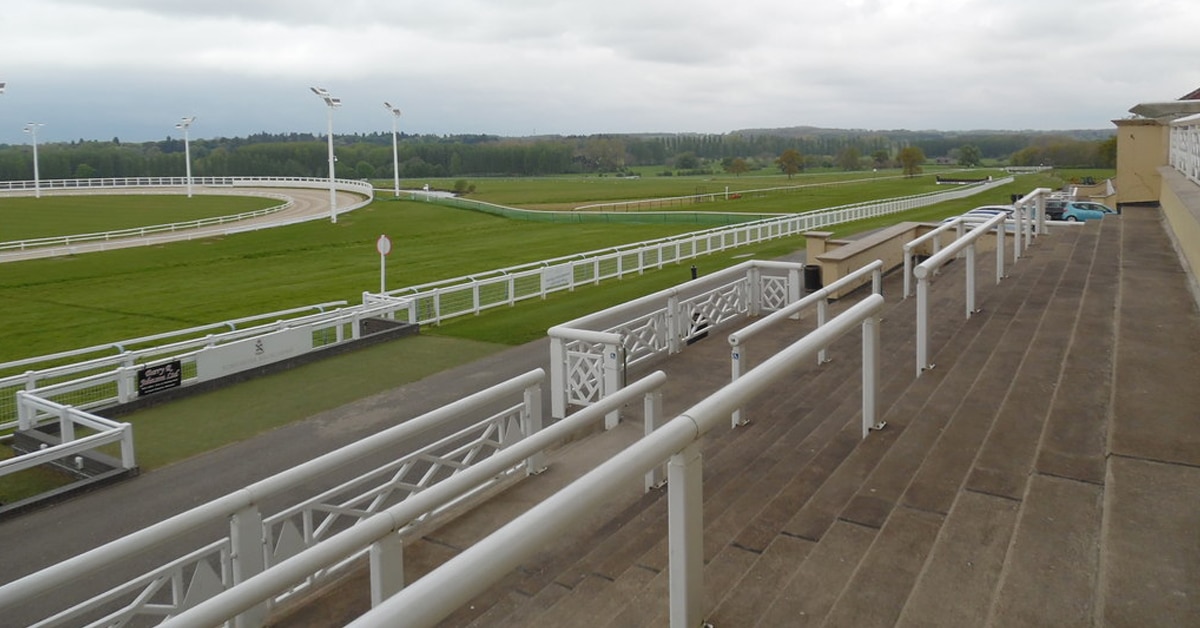
The race track at Woodbine has characteristics that subtly shape how races unfold. Its layout and surface reward balance between speed and endurance. Front-runners can get away with it sometimes. If they grab the lead and nobody pressures them, the race can be over before it really starts. But that is not how most races unfold. More often, the horses that hold something back early are the ones you notice late.
For anyone betting or breaking down races at Woodbine, that kind of pace dynamic matters. It is not just about who ran fastest on paper. It is about where the horse was in the race and how the effort unfolded.
Trainers Shaping the Woodbine Stakes Season
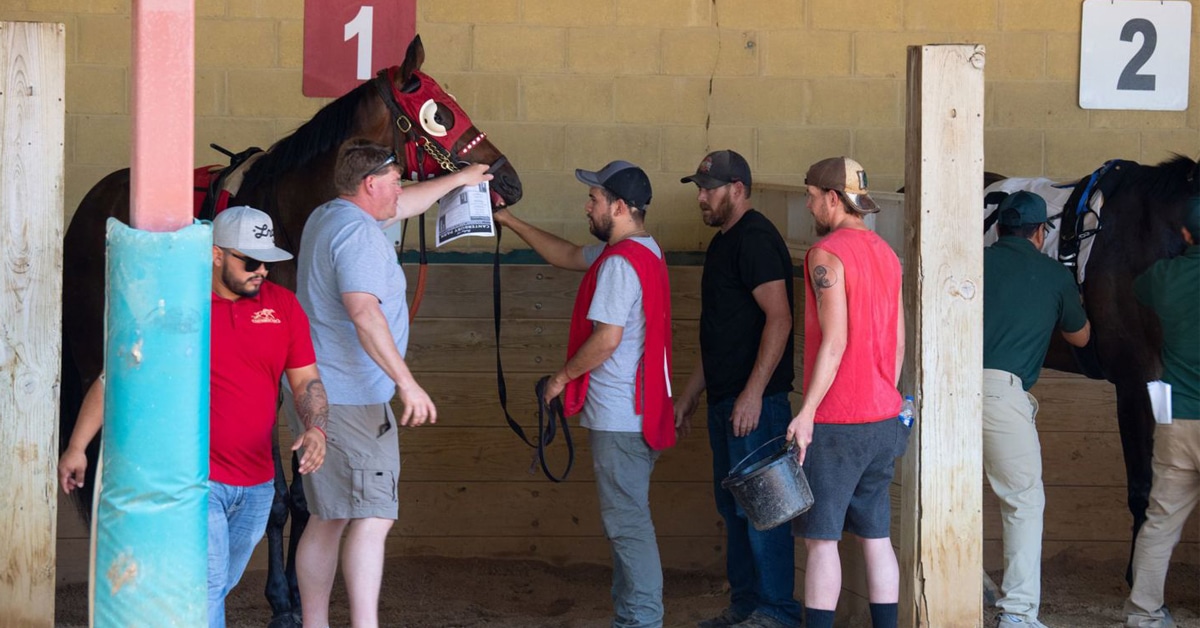
The majority of Woodbine’s best performances seem to be backed by trainers who genuinely understand the track’s beat.
When handicapping a field, seasoned racing fans seem to start with one key factor: the trainer’s past performance record at Woodbine.
Studying Betting Angles at Woodbine
Bettors examine the same races through a slightly different lens. Statistics on the horses and races still matter, but subtle indicators often carry equal weight.
Speed figures, finishing margins, and distance performance provide the basic framework. Yet experienced bettors also notice smaller signals: a jockey change, a sharper workout, or a horse improving slightly with each start.
Anyone reviewing Woodbine horse racing odds can often see these shifts reflected in the betting markets. Odds tighten when informed bettors begin backing a particular horse.
Who Are the Leading Trainers at Woodbine?
Woodbine’s racing scene includes several trainers with long histories of success in Canadian stakes racing.
Many of them maintain large stables and structured training programs. Their horses tend to arrive well-conditioned and tactically prepared for the unique demands of the race track at Woodbine.
How To Know Which Horse To Bet On?
Predicting the outcome of horse stake races is a matter of mixing a few different pieces of information. A horse’s last run matters. So does the trainer’s current form, the trip, and whether the jockey already knows how the horse responds under pressure.
There is not one magic number that spits out winners. Most seasoned bettors do not rely on a single stat anyway. They piece things together. Recent form, pace, distance, class, jockey fit, stable form. It is usually a mix, not a shortcut.
What Is the 80/20 Rule in Horse Racing?
The 80/20 rule comes up a lot because the same small group of horses often dominates the biggest races in a season.
Put simply, a few top-level runners tend to do most of the winning in stakes company. That is why markets can feel crowded around the same names again and again. They are not always unbeatable, but they usually drive the shape of the division. Identifying those horses early simplifies race analysis.
Instead of evaluating every entry equally, bettors focus on the runners most likely to influence the pace and finish.
Who Is the Greatest Racing Horse of All Time?
The debate about the greatest horse racer of all time rarely reaches consensus. Different eras produced different champions, each dominating under unique conditions. Some fans favor historic legends who won repeatedly at the highest level. Others admire horses remembered for a single extraordinary performance.
Regardless of opinion, those legendary runners continue to influence how greatness in racing is defined.
A Season Worth Watching
Each season introduces new contenders to Woodbine’s stakes schedule. Some arrive with strong expectations. Others evolve gradually as the races unfold.
By observing early results, trainer strategies, and how horses adapt to the race track at Woodbine, fans often begin to recognize the runners most likely to shape the season.
And by the time the biggest Woodbine stakes races arrive, the true contenders have usually revealed themselves.
The Latest