Drive an hour past Calgary toward the mountains and there they are. Wooden fences, open paddocks, horses just picking at the grass with snow peaks right behind them. It’s not some postcard setup for tourists—horses are literally built into how this country happened. Farming brutal land back in the day, hauling gear, riding across endless dirt plains. They basically shaped the northern wilderness into what’s sitting there today.
The Thrill of the Track
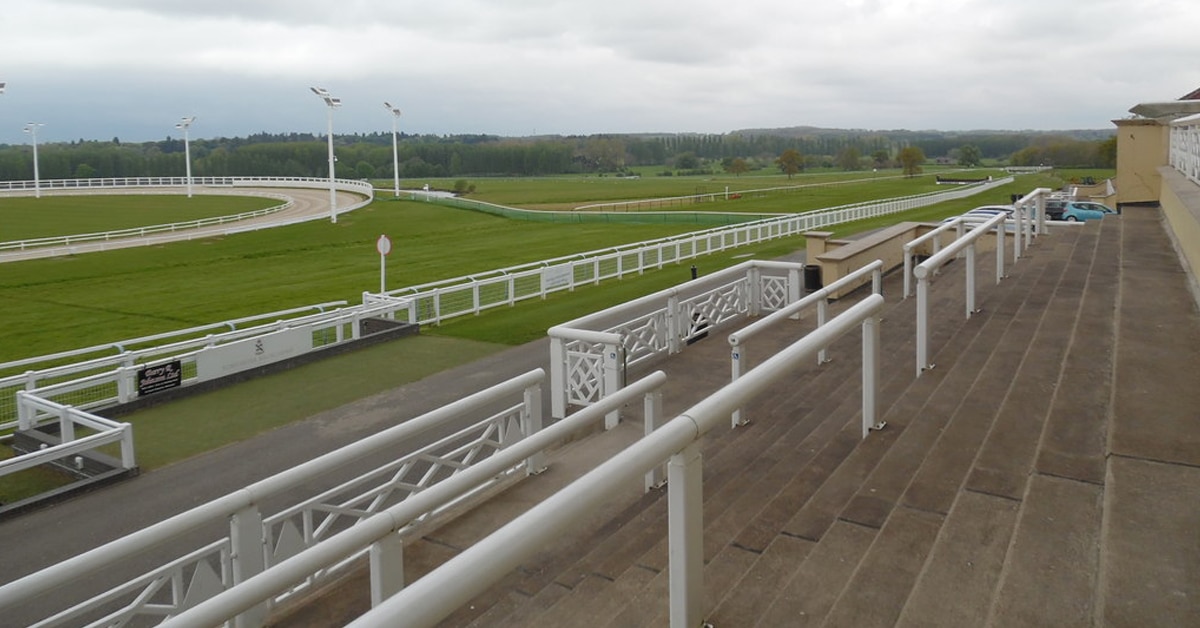
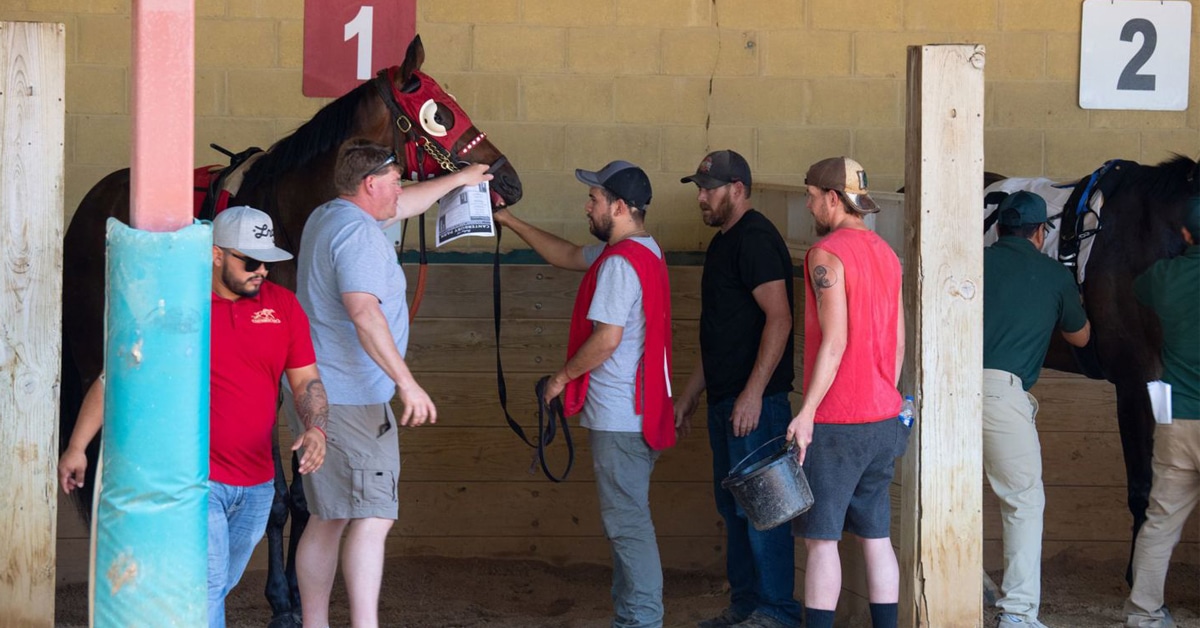
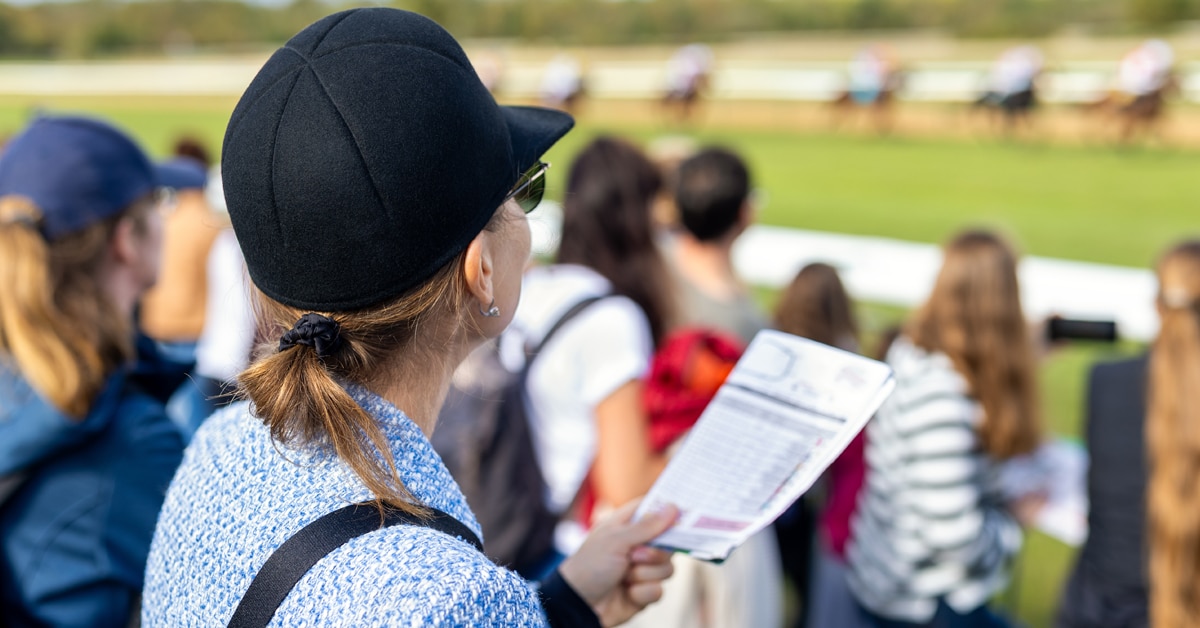
Standing right by the rail at Woodbine on a cold October afternoon hits different. You actually feel that heavy thumping sound in your chest way before the pack even comes around the turn, dirt spraying everywhere in the crisp Ontario air. Thoroughbred racing up here has a proper raw energy to it. Whenever you want to track live odds, catch the action, or take a quick punt from the sofa, checking out this site gives you a top-notch setup that’s quick, dead easy to use, and packed with options. Just brings that trackside hype straight to your phone with zero hassle.
Cold Winters and Tough Breeds
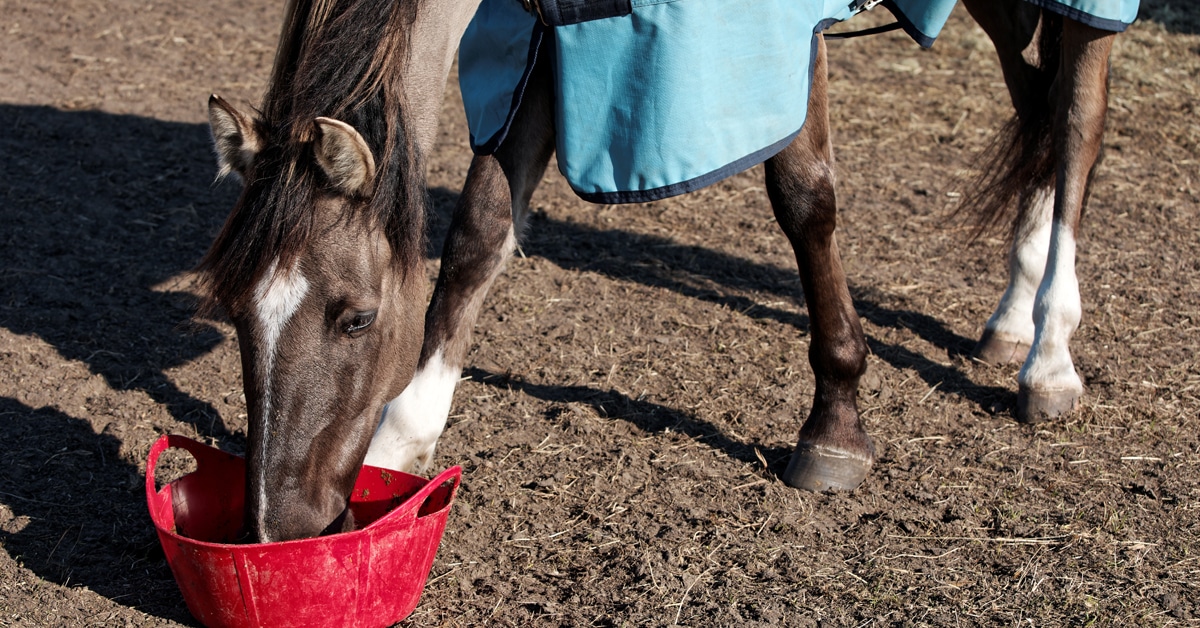
Winters up here don’t mess around, so horses kept outside have to be absolute tanks. The local Canadian Horse—literally nicknamed the “Little Iron Horse”—was bred for sub-zero weather, knee-deep snow, and pretty terrible feed. Compact, tough as nails, and weirdly chill when things get rough. Seeing a couple of them standing out in a blizzard with steam rolling off their winter coats like little chimneys is something else. They just don’t care.
Why We Keep Coming Back to the Stables
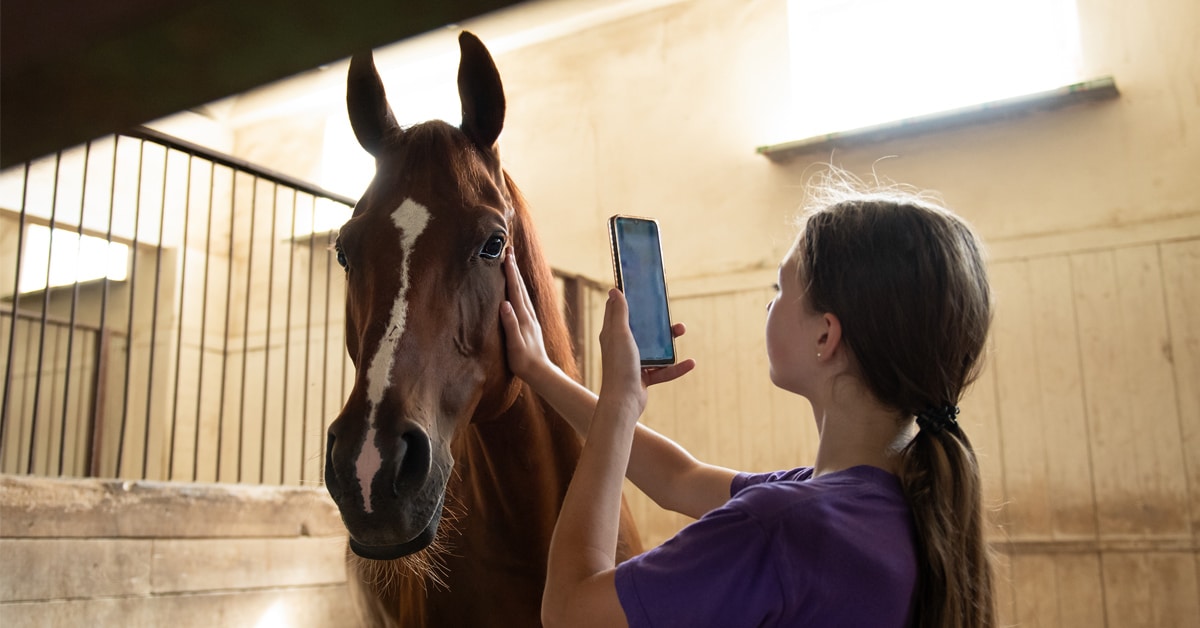
After spending all day staring at spreadsheets or tapping a glass screen, standing next to a 1,000-pound animal forces you to drop everything else. Horses couldn’t care less about your inbox or unread texts. You have to pay attention, pick up on their mood, and actually build trust—otherwise you’re getting tossed into the dirt. It’s rough, dirty, and grounded, which is probably why people are flocking back to local barns everywhere right now.
Preserving the Heritage for Tomorrow
Rodeos, local agricultural fairs, and competitive jumping events pull massive crowds from Vancouver to Halifax every single year. It’s a massive industry, sure, but it’s also a bridge back to a simpler, tougher era of Canadian history. People want that connection to the land and the animals that cleared it. As long as there are open spaces and dirt tracks across the country, the sound of galloping hooves isn’t going anywhere anytime soon.
Life Around the Barns
Barn life means early mornings, no two ways about it. Mucking out stalls at 6 AM in the freezing cold is far from fancy, but ask anyone who keeps horses—they wouldn’t trade it for the world. You end up with muddy boots, frozen fingers, and that permanent smell of wet hay. Still, sitting on an overturned bucket with a hot cup of tea once everyone’s fed? Absolute bliss.
Riding Through the Backcountry
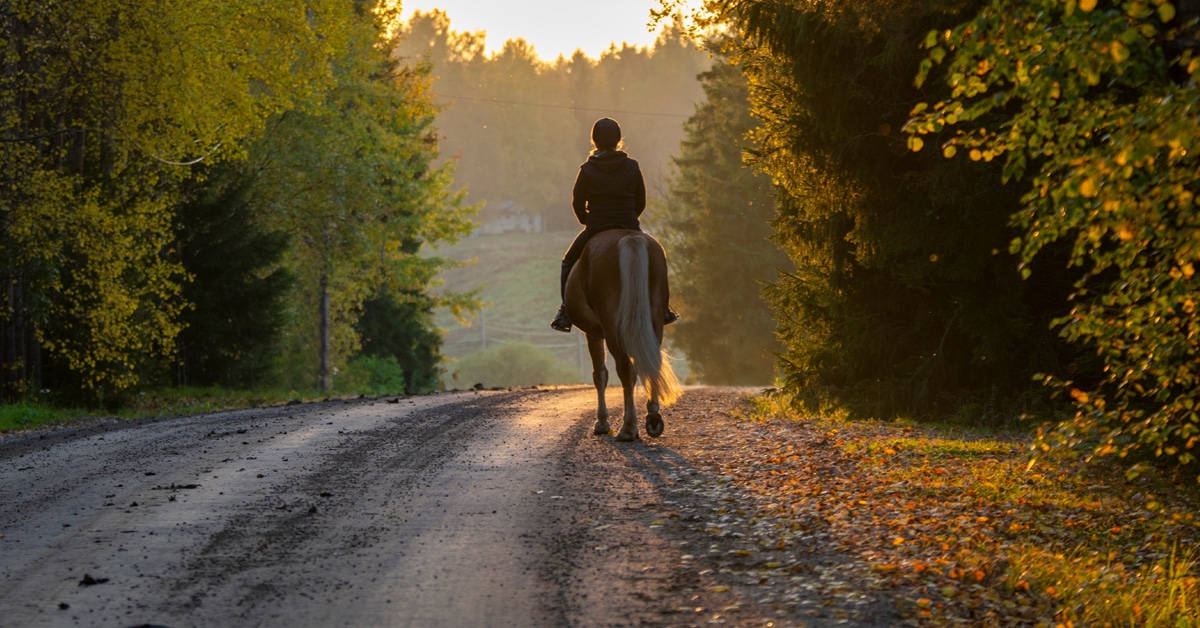
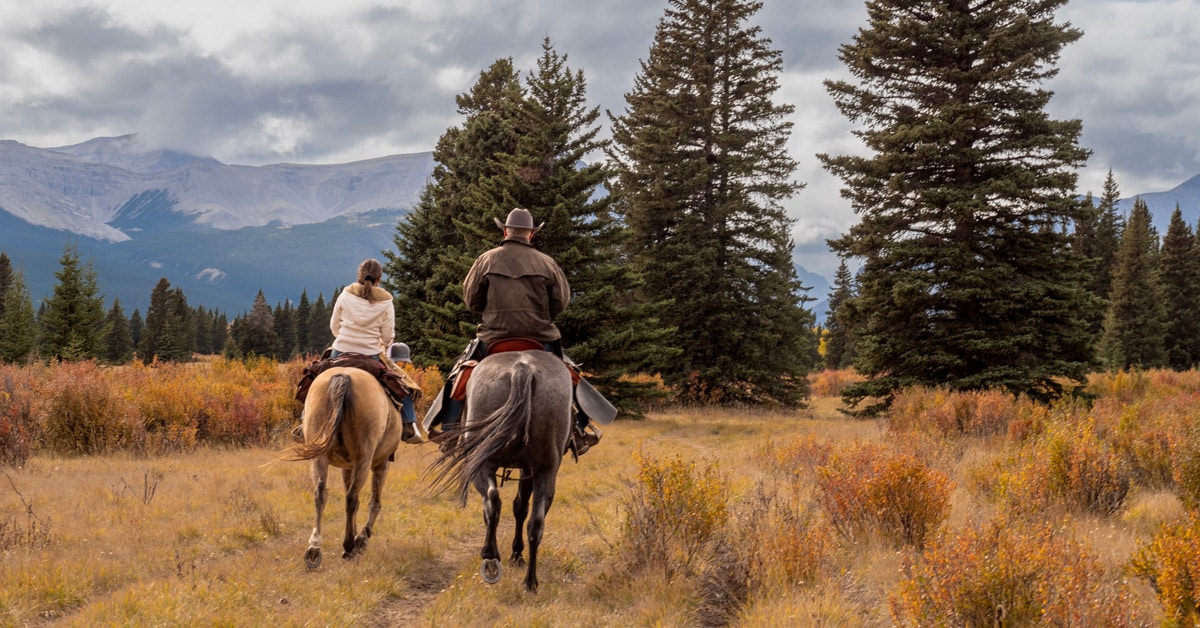
Nothing touches taking a horse out on the trail once the winter snow clears off. Out in the quiet woods, dry leaves crunching underfoot, you completely forget your phone even exists for a few hours. No engine hum, no annoying ping of notifications—just a steady, relaxed walk through the pine trees. Best way there is to clear your head after a long week.
A Tradition That Sticks Around
Trucks took over the heavy lifting decades ago, but the bond never really faded. Kids all over the country still spend their weekends begging for riding lessons, and small-town summer fairs still draw massive crowds. Whether it’s high-speed barrel racing at a local rodeo or just a quiet afternoon at the barn, horse culture isn’t going anywhere.
The Real Magic of the Countryside
At the end of the day, it’s that raw connection to the land that keeps people hooked. You can buy all the high-tech gear you want, but sitting on a horse in the middle of nowhere, surrounded by endless yellow prairie fields or thick pine woods, grounds you like nothing else. It reminds you that despite all our modern noise and busy routines, the quiet rhythm of the Canadian wilderness is still right there waiting.
The Latest