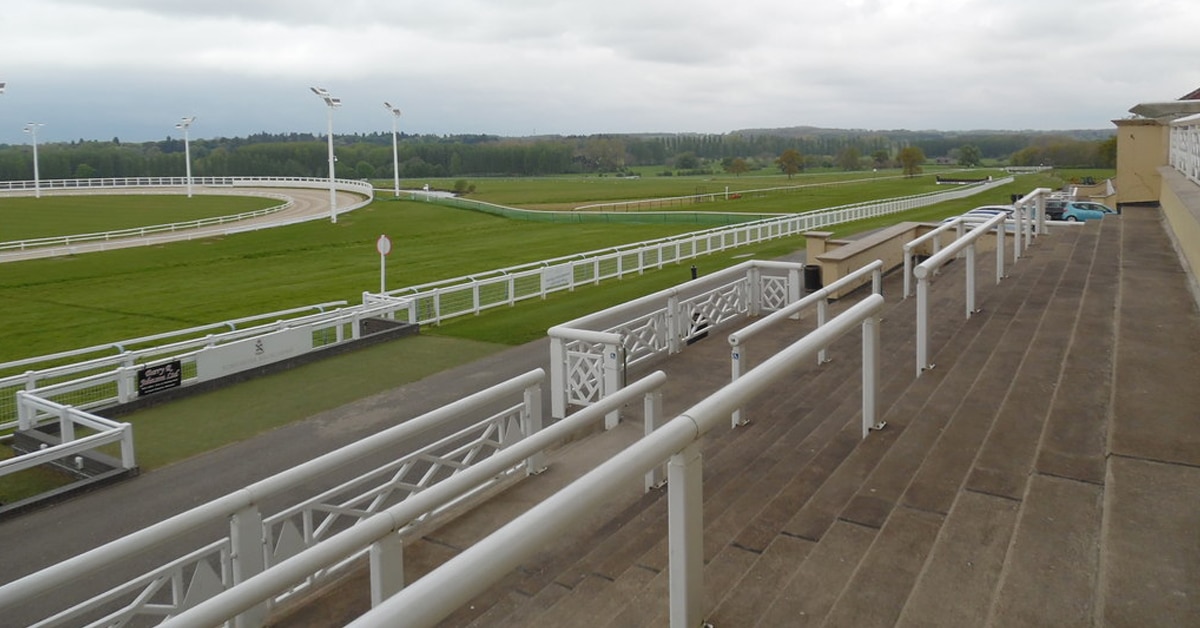
A closed racecourse can look strangely complete.
The grandstand may still face the finish line. Rails continue to mark the turns, and old photographs preserve the days when the grounds were full. Yet once the horses, trainers, and race-day staff have gone, restarting the operation is considerably harder than opening the gates.
Towcester Racecourse in Northamptonshire, England, is now attempting that return. National Hunt racing ended there in 2018, but plans are underway for horses to compete at the venue again at the beginning of the 2027-28 jumps season.
The project offers a useful look at what it takes to revive a racecourse after a long absence.
History Helps, But It Is Not Enough
Towcester has a long racing history. It is also remembered as the course where champion jockey AP McCoy rode his 4,000th career winner in November 2013.
That heritage gives the venue an identity, but memories cannot maintain a racing surface, repair stables, or secure the licenses needed to stage a meeting.
Canadian racing has experienced the other side of that story. Horse Canada’s account of Northlands Park’s final season described the emotion surrounding the Edmonton track’s closure after 118 years of racing. Aging barns and the need for a longer racing surface were among the practical issues behind the move to a new venue.
The lesson is that affection for a racecourse and the viability of operating it are separate questions. A successful revival must address both.
A Racecourse Is an Equine Workplace
Fans see the grandstand, paddock, and finish line. Horsepeople experience a much larger workplace.
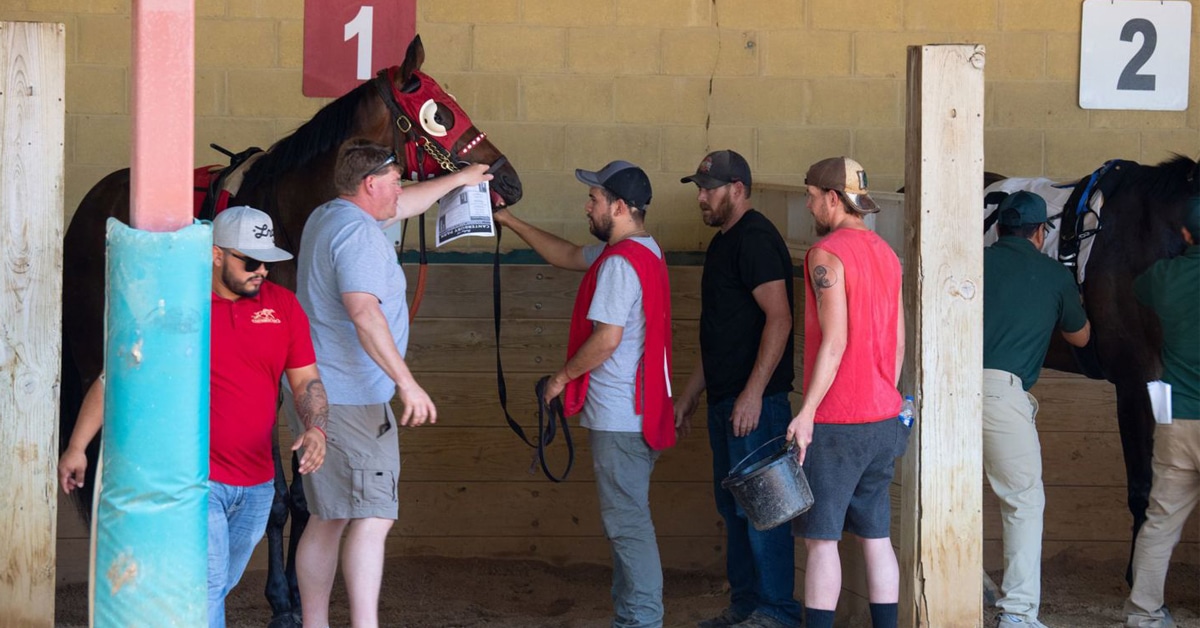
They need safe stabling, suitable unloading areas, veterinary facilities, and clear routes between the barns, paddock, and track. Jockeys require an appropriate weighing room and medical support. Trainers need confidence that the course has been prepared consistently.
At Towcester, seven-time Irish champion jump jockey Paul Townend is expected to contribute to the plans, with particular attention given to jockey welfare, the course layout, and weighing-room facilities.
That involvement matters. A historic design may have been acceptable decades ago without meeting the expectations of modern participants.
The Commercial Plan Has to Last
Restoring a racecourse requires money before the first paying horse-racing crowd arrives.
Betway is the principal strategic partner in the Towcester project and is expected to become the exclusive betting partner across its horse-racing fixtures. The venue is already operating under the Betway Towcester Racecourse name while continuing to stage greyhound racing.
The wider redevelopment includes more than £2 million in course and facility improvements. National Hunt racing is expected to return in autumn 2027, but the owners are still working with the British Horseracing Authority to secure the necessary racecourse licenses and finalize fixtures.
This is more than a temporary race sponsorship. Connecting a commercial partner to the venue provides support during the less visible period when the track and facilities are being prepared for the return of horses.
The partnership still has to deliver a functioning racecourse. Naming rights may attract attention, but owners, trainers, and jockeys will judge the revival by the facilities and racing conditions they encounter.
The Ground Comes First
A racecourse can renovate its hospitality areas and still fall short if its racing surface is inconsistent.
A 2026 report on horse-racing surface consistency explains that track evaluation can include design, material composition, compaction, and wear. Other characteristics, including moisture, cushion depth, turf damage, and synthetic-surface temperature, may require daily or even hourly monitoring.
Towcester’s return involves jump racing, so the condition of the racing surface, fences, take-off and landing areas, turns, and drainage will form an important part of the preparation.
Surface work is rarely the most photogenic element of a redevelopment. It is nevertheless essential to building confidence in the venue.
The Local Racing Community Must Return Too
A racecourse is not revived by buildings alone.
It needs trainers willing to enter horses, owners prepared to support the fixtures and enough skilled workers to operate the stable area and racing surface. Farriers, veterinarians, transporters, and officials all contribute to a meeting that may last only one afternoon.
The local community matters as well. Racecourses create routines that extend beyond the sporting program, from seasonal employment to local hospitality and supplier relationships.
Towcester continues to stage greyhound racing, so the property is not dormant. In September 2026, the venue introduced free general admission and expanded the number of greyhound meetings open to the public. Returning horses will nevertheless require a separate operating structure and a renewed relationship with the National Hunt community.
Reopening Is Only the Beginning
The first horse-racing meeting will attract curiosity. The harder test will come later, when the novelty has faded and the course must support a sustainable fixture list.
A successful revival needs safe surfaces, suitable facilities, competitive racing, and an audience willing to return. It also needs a commercial structure capable of supporting the venue between its biggest days.
Towcester already has the history. Its next chapter will depend on whether the rebuilt racecourse works for the horses and people who will bring it back to life.
The Latest