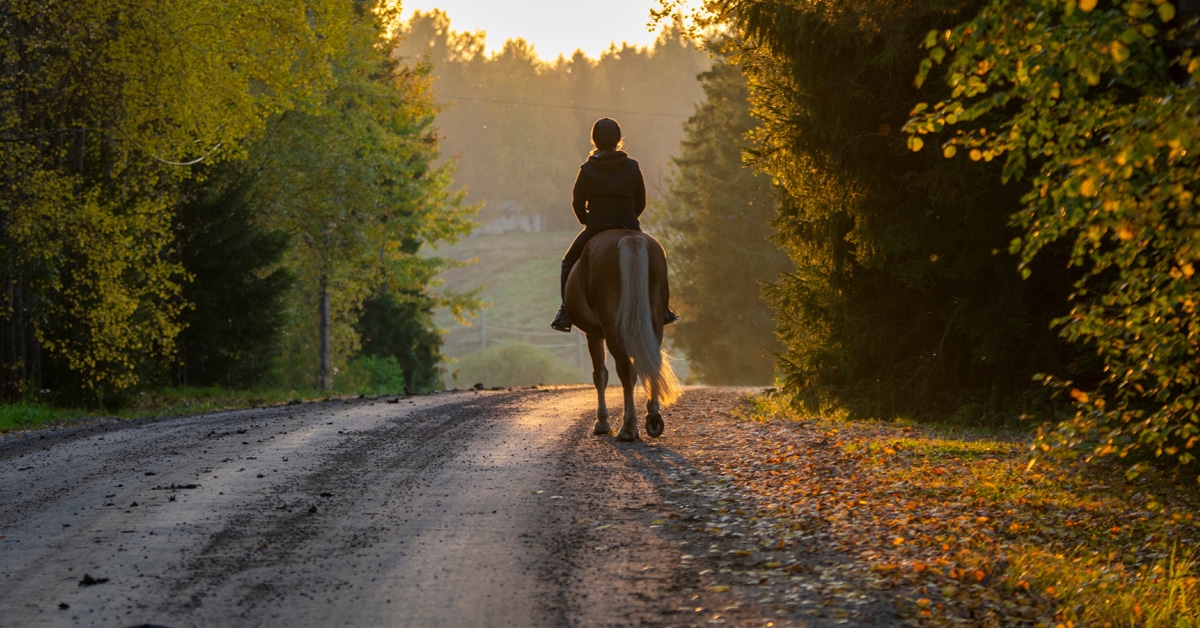
A balanced feeding program is not a permanent formula. It’s a snapshot of what works for an individual horse under a particular set of conditions.
A horse’s feed program is rarely permanent. Pasture matures, a new load of hay arrives, training becomes more demanding, or an aging horse begins leaving feed behind. Even when the contents of the feed bucket remain unchanged, the nutrients supplied by the complete diet may shift significantly.
Regularly reassessing the ration helps ensure it continues to match the horse rather than the circumstances that existed months ago.
Identifying Dietary Imbalance
Forage supplies most of the calories, protein, and fiber in many equine diets. However, its nutritional value can vary with plant species, maturity, growing conditions, harvest practices, and storage.
Pasture illustrates how quickly the base diet can change. Young, rapidly growing grass is generally more digestible and contains more energy and non-structural carbohydrates than mature pasture. That can be helpful for a horse with elevated calorie requirements, but unrestricted access may be inappropriate for an easy keeper or a horse with insulin dysregulation, equine metabolic syndrome, or a history of laminitis.
The move from pasture to stored hay creates a different nutritional picture. Hay contains less moisture, and its calorie, protein, sugar, starch, and mineral content vary considerably between types, cuttings, and suppliers. A horse that maintained condition easily on summer pasture may require a different program once winter hay becomes the primary forage.
Management changes matter just as much. Starting a conditioning program, reducing work after competition season, moving barns, breeding a mare, or managing an older horse can all alter nutrient requirements.
Recognize the Reassessment Points
Rather than waiting for a visible problem, review the feeding program whenever there is a meaningful change in the horse’s diet, routine, or condition.
Common reassessment points include:
- A new hay supplier, field, cutting, or pasture season
- An increase or decrease in training
- Unexplained weight gain or weight loss
- Difficulty maintaining muscle or topline
- Changes in appetite or water intake
- Declining hoof or coat quality
- Reduced energy, recovery, or performance
- Recurring digestive concerns
- Pregnancy, lactation, growth, or advancing age
These signs do not always originate with nutrition. Dental disease, parasites, pain, endocrine disorders, and other health conditions can also affect appetite, body condition, digestion, and performance. Sudden, persistent, or unexplained changes should be discussed with a veterinarian.
Begin With What the Horse Is Actually Eating
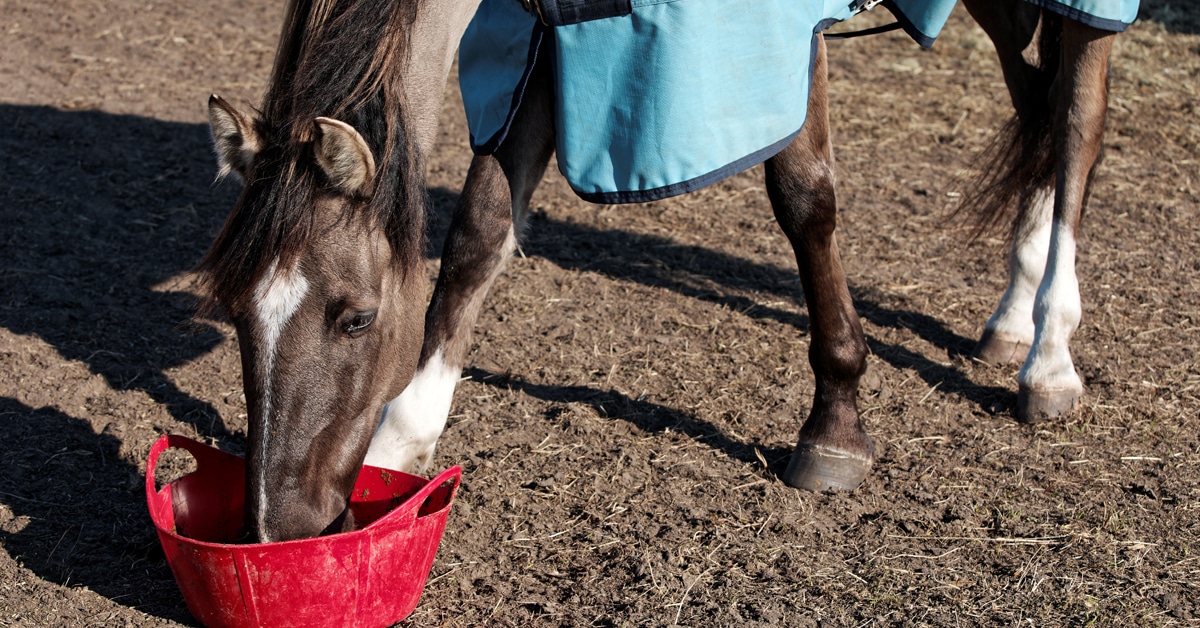
When something changes, it’s tempting to reach for a new feed or supplement to compensate. A more useful first question is whether the horse is consuming enough of the current ration.
Most adult horses require approximately 1.5 to 2% of their body weight in forage dry matter each day, depending on their energy needs and body condition. For a 1,000-pound horse, that is roughly 15 to 20 pounds of hay dry matter per day.
Actual intake may differ from the amount offered. Hay can be wasted, pasture availability may decline, and dental problems can prevent some horses from consuming long-stem forage effectively. Feed refusals can also leave a carefully formulated ration incomplete.
Forage testing provides the clearest picture of what hay contributes. Appearance alone cannot reliably reveal its energy, protein, fiber, sugar, starch, or mineral content. A laboratory analysis can help determine whether the current forage suits the horse and what the rest of the ration needs to supply.
Water and salt should also be reviewed during seasonal transitions. Horses eating dry hay generally need to drink more than horses grazing moisture-rich pasture. Water sources should be checked daily, especially when freezing temperatures, heat, cleanliness, or low flow discourage intake.
It’s also important to include consistent access to salt. Free-choice loose salt can help meet baseline requirements, while horses sweating during work or hot weather may need additional electrolyte replacement.
Evaluate Other Nutrient Intakes
Body condition provides useful information about energy intake, but it does not confirm that the entire diet is balanced.
Many horses can maintain an appropriate weight on good-quality forage while still falling short of certain vitamins, minerals, or amino acids. Depending on the forage, common gaps include copper, zinc, selenium, iodine, and vitamin E.
For a horse receiving enough calories and protein from forage, adding grain may contribute energy the horse does not need. A concentrated vitamin and mineral supplement can fill common nutrient gaps without adding significant sugar, starch, or calories.
Mad Barn’s Omneity® is designed to provide comprehensive vitamin and mineral support for most horses eating forage-based diets. It supplies organic trace minerals, B-vitamins, biotin, essential amino acids, digestive enzymes, and live yeast culture.
AminoTrace+ offers an enhanced nutritional profile. It contains higher levels of several key nutrients, including copper, zinc, magnesium, essential amino acids, and natural vitamin E. Its low-NSC formula contains no added iron and is suited to horses with metabolic concerns, a history of laminitis, high-iron forage or water, poor hoof quality, or greater antioxidant and muscle-support needs.
If the horse genuinely requires more energy, consider forage and digestible fiber before automatically increasing grain. Higher-calorie hay, hay cubes or pellets, beet pulp, and fat can help increase calorie intake. Horses performing intense work may benefit from some dietary starch, but grain should be matched to workload and divided into appropriately sized meals.
Commercial feeds also need to be given at the manufacturer’s recommended rate. Feeding a small portion of a fortified feed may add calories without supplying enough vitamins and minerals to provide the intended nutritional coverage.
Add Targeted Support With a Purpose
Functional supplements are most useful after the foundational ration supplies adequate forage, water, salt, calories, protein, vitamins, and minerals.
Further additions should address a specific need. A horse with significant training, travel, or management stress may benefit from digestive support such as Visceral+. An exercising horse with increased amino-acid requirements may need Three Amigos to supply lysine, methionine, and threonine. A horse sweating regularly may need Performance XL Electrolytes in addition to daily salt and unrestricted access to water.
This approach also helps prevent supplement overlap. Adding several products without reviewing the complete ration can increase complexity while leaving the original nutritional problem unresolved.
Allow Time for the New Program to Work
Dietary changes should be introduced gradually. When making a major adjustment, transition the horse over approximately two weeks so the hindgut microbial population has time to adapt. You can also use Mad Barn’s Diet Transition Calculator tool to help plan feed changes in advance.
Continue monitoring body condition, appetite, manure, water intake, hoof and coat quality, energy, and performance after the transition. The response can help determine whether the ration is meeting the horse’s needs or requires further refinement.
A feeding program should evolve with the horse. Reviewing it when forage, workload, weather, life stage, or health status changes is one of the most practical ways to keep the diet balanced throughout the year.
Horse owners who are unsure where to begin can submit their horse’s diet to Mad Barn for a free evaluation. An equine nutritionist can assess the complete ration, identify potential gaps, and recommend adjustments suited to the individual horse.
The Latest