Buying a horse online can save time during your search. It can also expose you to misleading listings before any conversation begins. A polished advertisement should never replace careful checks on your part. Before contacting a seller, spend ten minutes verifying the listing first.
The Canadian Anti-Fraud Centre recorded 2,596 merchandise fraud reports during 2025. Those reports involved 2,222 victims and about $11.7 million in losses. Across all fraud types, Canadians reported about $351 million in losses during 2026’s first six months.
Start With the Asking Price
Begin by comparing the asking price with similar horses nearby. Search for horses with comparable age and competition history first. Then compare training level and breed against nearby listings. A very low price deserves extra attention from any buyer. However, scammers also use attractive prices to trigger rushed decisions.
Check several current listings before deciding what price range makes sense. Include horses from the same province when location affects market prices. If one listing sits far below comparable horses, ask yourself why. You should find a reasonable explanation before discussing deposits or transport.
Confirm the Seller Exists
Next, search the seller’s name outside the original advertisement. Review public social profiles connected with horses or local equestrian activity. A genuine seller may have years of normal horse-related posts. One new account with few details deserves a closer review.
Search the listed phone number through a regular web search. Previous scam complaints can sometimes surface through those simple checks.
Check Every Photo Separately
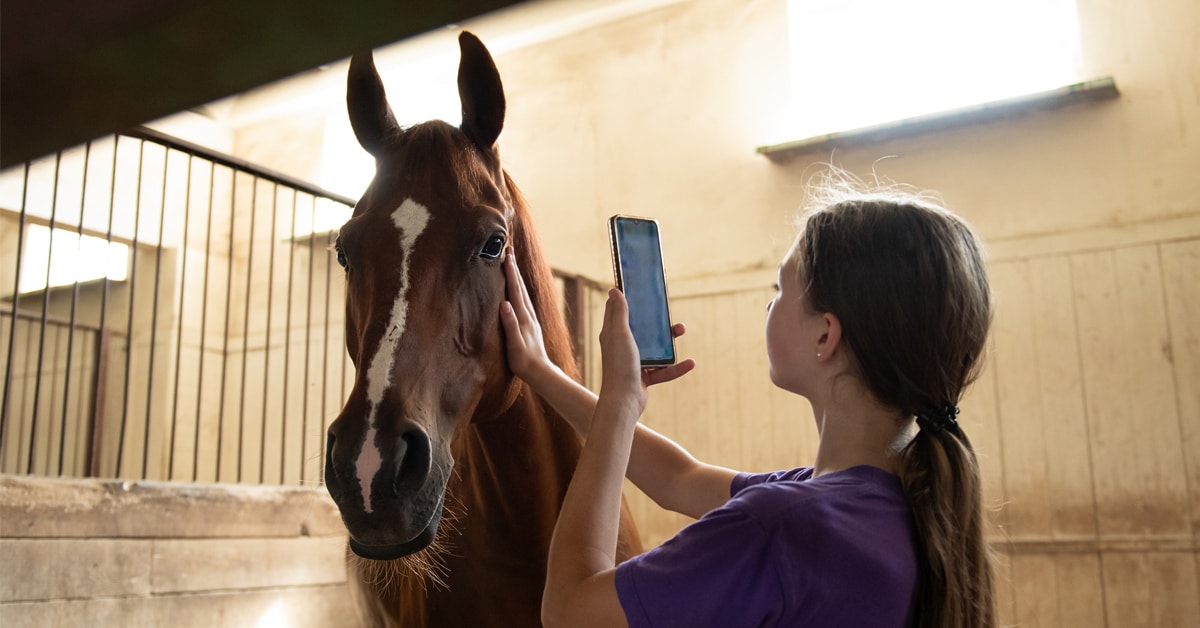
Photos can tell you more than the listing description does. Save a listing photo and search it through Google Lens. Google says Lens can return similar images and matching websites. Those results may reveal another seller using the same photograph elsewhere.
Ask for fresh photos showing specific angles before making further plans.
Pay Attention to the Description
Read the entire description before focusing on flattering sales language. Compare the stated age with registration information or competition records. Match the listed breed and location across every source. Small contradictions may point toward careless copying from another advertisement.
Polished writing alone does not prove any dishonest activity. An AI detector can provide another clue when text seems automated. However, never treat a detection score as proof of fraud.
Instead, compare the written claims with records and direct answers. Ask detailed questions requiring knowledge of the individual horse. A real owner should discuss routines and recent training with useful detail.
Request a Live Video Call
Ask for a live video call with the horse present. Request simple actions during the call rather than complex demonstrations.
You can ask the seller to show these details:
- Have the horse walk toward the camera on level ground.
- Request a full side view of the horse outdoors.
- Get a close view of each foot without bedding.
- Watch the seller catch the horse from regular turnout.
- Ask to see the horse load into a trailer.
Live requests make stolen video material much harder to reuse. They also let you compare the horse with listing photographs.
Ask Questions Before Booking a Visit
Specific questions produce better information than broad requests for details.
- Start with the horse’s recent work schedule and fitness.
- Request information about past lameness or current veterinary treatment.
- Discuss medications used during the previous several months carefully.
- Find out why the horse is being sold now.
- Ask directly about biting or kicking during regular handling.
- Discuss any history of bucking or bolting under the saddle.
- Request honest details about loading problems during recent trips.
You should also ask about the horse’s normal turnout routine.
Verify Competition and Registration Claims
Competition claims should be checked through the relevant governing database. Search registered names instead of relying only on barn names. Confirm results belong to the same horse described in the listing.
For registered horses, ask for clear photographs of registration documents. Compare markings and identifying details with the horse shown online. Microchip details can provide another identification point during veterinary checks.
Open the original database and verify the information yourself. Screenshots can be old or taken from unrelated records.
Arrange an Independent Purchase Examination
Never let listing research replace an independent veterinary purchase examination. The American Association of Equine Practitioners recommends investing in a purchase exam. Its guidance also says the examining veterinarian should work for the buyer.
Choose your own veterinarian rather than relying on seller recommendations alone. Explain how you plan to use the horse before the examination. A pleasure horse and upper-level sport horse may need different testing.
Ask the veterinarian which imaging or additional tests suit your plans. The final buying decision still belongs to you after reviewing findings.
Protect Your Deposit and Payment
Avoid sending money simply because another buyer supposedly wants the horse. Pressure around immediate payment is a common fraud warning sign. The Canadian Anti-Fraud Centre specifically warns about unexpected payment requests and urgency.
Get the sale terms in writing before transferring a deposit. The agreement should identify the horse and explain refund conditions. Keep every payment receipt with your written sale documents.
Be cautious when payment details suddenly change during the transaction. Verify new banking instructions through a contact method used earlier. Never rely only on a fresh message containing new details.
Know When to Stop
Some listings deserve no further conversation after your first checks. Walking away early can save money and considerable stress.
Major warning signs include these situations:
- The seller refuses a live video showing the horse.
- Payment is demanded before normal buyer questions receive answers.
- Photo are found under unrelated listings with different horse details.
- Competition claims cannot be confirmed through official competition records.
- An independent veterinary examination gets blocked by the seller before purchase.
- Banking instructions suddenly change without a convincing reason provided.
Trust Evidence Before Sales Talk
A horse purchase can involve serious money and long commitments. Give yourself enough time to verify the advertisement before contacting anyone. Review the seller and photographs through independent sources first. Then confirm official records and history before discussing payment.
Horse-Canada.com also reminds classified buyers to use caution during online interactions. Its classifieds page directs suspected fraud reports toward the Canadian Anti-Fraud Centre.
Your checks protect your budget before emotion enters the decision. Careful research also helps you arrive prepared for the first visit.
The Latest