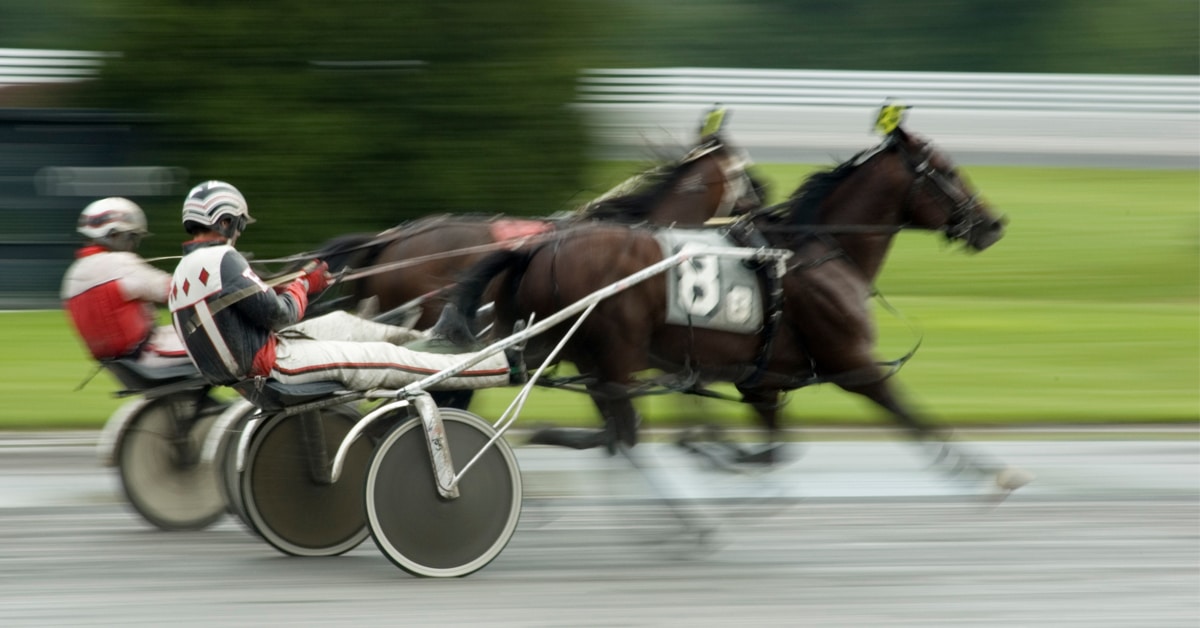
The 2026 Ontario Regional Driving Championship (ORDC), scheduled for Tuesday, May 5 at The Raceway at Western Fair District in London, Ontario, brings together elite harness racing drivers, proven racehorses, and a structured nine-race competition format that determines who advances to the National Driving Championship and potentially the 2027 World Driving Championship.
With nine drivers competing across nine races, each driver racing eight times and sitting out one race, and each event featuring fields of eight horses, the ORDC remains one of the most tactical and unpredictable harness racing competitions in Canada.
Driver Qualification Standards and Entry Criteria
The selection of drivers for the 2026 ORDC reflects a strict statistical process based on measurable performance across the 2025 racing season and the first two months of 2026, including total wins, purse earnings, and overall consistency. The championship includes exactly nine drivers, each invited based on those metrics and their ability to represent Canada at higher international levels.
The official 2026 lineup includes Tyler Borth, Samuel Fillion, Jody Jamieson, Bob McClure, Doug McNair, Garrett Rooney, Louis-Philippe Roy, Austin Sorrie, and Daryl Thiessen. These names are not random inclusions—they reflect some of the most statistically consistent drivers in Ontario harness racing.
Garrett Rooney stands out statistically with 2,163 career wins and more than $11.5 million in purses earned, illustrating the level of experience entering this competition.
Race Format and Structure
The ORDC format is built around a nine-race tournament, where each driver competes in eight races, ensuring a balanced exposure to different racing conditions and post positions. Every race features eight horses, meaning drivers constantly rotate through varied competition scenarios.
A unique structural detail is that drivers start from every post position during the event, eliminating any long-term positional advantage. The scoring system is cumulative, meaning every finish contributes to the final standings, and consistency becomes more valuable than a single dominant win.
The top two finishers advance to the National Driving Championship, making every race decisive in determining progression.
Prize Money and Financial Incentives
While exact ORDC purse figures vary yearly, the broader Ontario harness racing ecosystem provides context through measurable wagering and race values. On April 12, 2026, total wagering on Canadian races reached $2,171,260, contributing to a 2026 year-to-date total of $136,476,090 compared to $144,265,909 in 2025 (-5.40%).
The average mutuel per race in 2026 sits at $82,413.10 compared to $82,015.86 in 2025 (+0.48%), showing stable betting engagement tied directly to events like the ORDC.
Individual race purses at the venue regularly reach $11,000 to $12,500 for Preferred classes, with feature events climbing higher, reinforcing the financial competitiveness surrounding ORDC-level racing.
Key Drivers to Watch
Tyler Borth enters with momentum after winning the 2024 ORDC, proving his ability to handle the championship format under pressure.
Louis-Philippe Roy, winner of the 2022 ORDC, brings championship pedigree and tactical precision.
Garrett Rooney combines volume and earnings with 2,163 career wins and more than $11.5 million in purses, while also piloting elite horses like Desperate Man (p, 3, 1:49.3s; $1,089,439) and setting a 1:50.1 track record at Grand River Raceway.
Drivers like Bob McClure and Jody Jamieson bring extensive experience in high-level competitions, making them consistent threats in multi-race formats.
Horse Selection and Pairings
The ORDC’s competitive edge is shaped heavily by its horse allocation system. In recent formats, drivers participated in a draft-style selection process, where each competitor had the opportunity to pick horses across different races, rotating draft positions using a random number generator.
This system ensures that no driver consistently benefits from top-tier horses, forcing adaptability.
Examples of racehorses relevant to the Ontario circuit include:
Devils Peak (10-year-old pacer, 1:59.1, paid $8.70)
Iam What I Am (9-year-old trotter, 1:59.2, paid $12.20)
Other notable Ontario-based horses currently active include:
Ladies From Hell – 60th career win and multiple victories in a single month at age 12
Johnny Buckshot – winner of Preferred Handicap Trot events
Royalty Beer – consistent Preferred Handicap Trot competitor
Livingitlarge – 52-1 longshot winner in an $11,000 Preferred Trot
These types of horses represent the range drivers may encounter—favorites, mid-tier contenders, and longshot upset specialists.
Track Conditions and Venue Expectations
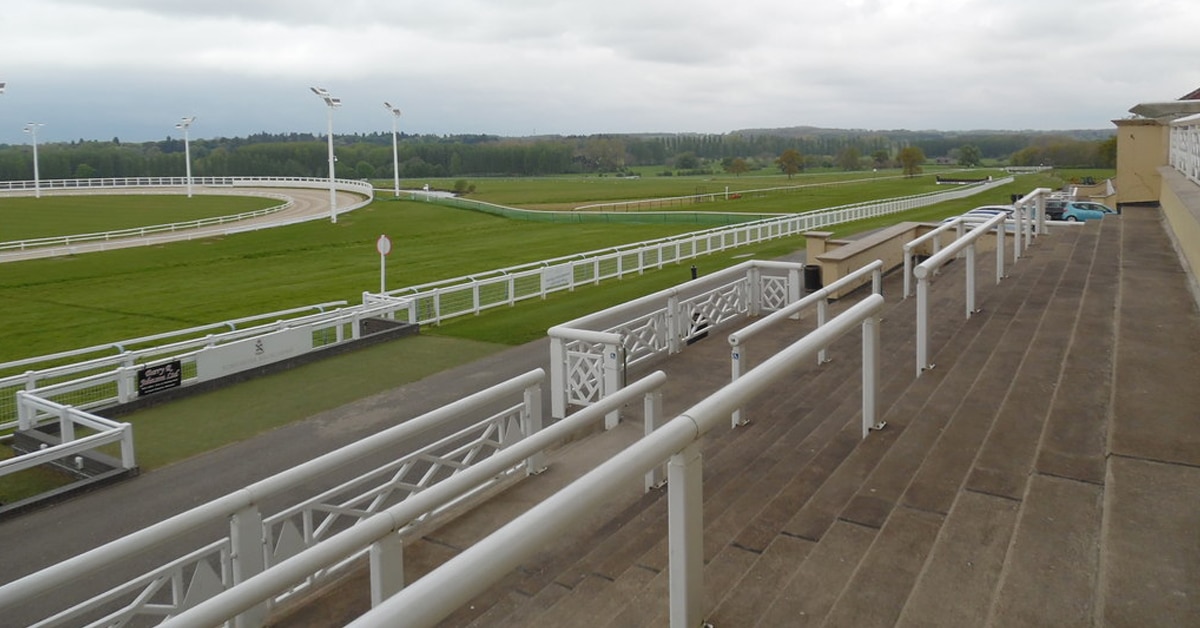
The ORDC takes place at The Raceway at Western Fair District, a venue hosting harness racing since 1961, with live racing scheduled multiple days weekly at 5:50 PM post time.
The half-mile track creates tighter turns and emphasizes positioning, making post placement and early speed critical. Weather and surface conditions can influence race outcomes, especially in shorter oval tracks where traffic plays a major role.
Fan Engagement and Media Coverage
The ORDC benefits from strong fan interaction through live attendance, simulcast wagering, and digital engagement. The venue hosts regular events such as TRIFECTA TUESDAY, combining live racing with betting opportunities and social experiences.
Online handicapping contests tied to ORDC events also increase participation, allowing fans to analyze races and compete based on predictions.
Betting Trends and Market Insights
Betting remains deeply integrated into ORDC races, with structured wagers such as Pick 5, Pick 4, and Super Hi-5 producing significant payouts during racing weeks.
The presence of Ontario sports betting platforms has enhanced accessibility, allowing bettors to engage with real-time data, odds movements, and race analytics.
Upsets are common, highlighted by horses like Livingitlarge winning at 52-1 odds, reinforcing the unpredictability that drives betting interest.
Training and Preparation Strategies
Drivers and horses entering the ORDC operate within a highly competitive training ecosystem shaped by programs like the Ontario Sires Stakes, established in 1974, which supports breeding, development, and racing excellence.
Modern training integrates speed conditioning, race simulations, and performance analytics, ensuring horses are prepared for the intensity of multi-race competition formats.
Historical Significance of the ORDC
The ORDC has consistently served as a gateway to national and international competition. Winners advance to the National Driving Championship, with the eventual champion representing Canada at the World Driving Championship.
Historical champions include Trevor Henry, who won the 2018 ORDC with three victories in a nine-race tournament, demonstrating how consistent performance defines success.
Expectations for 2026 and Beyond
The 2026 ORDC will feature nine elite drivers, nine races, eight drives per competitor, and advancement opportunities to national and global stages, maintaining its reputation as a proving ground for Canada’s best harness racing talent.
With drivers like Tyler Borth, Louis-Philippe Roy, Garrett Rooney, and Bob McClure, and horses ranging from proven winners like Ladies From Hell to longshot threats like Livingitlarge at 52-1, the championship promises unpredictability, statistical depth, and high-level competition across every race.
The combination of structured race formats, measurable performance metrics, and real-world horse variability ensures that the 2026 Ontario Regional Driving Championship will remain one of the most analytically rich and competitive harness racing events in Canada.
The Latest