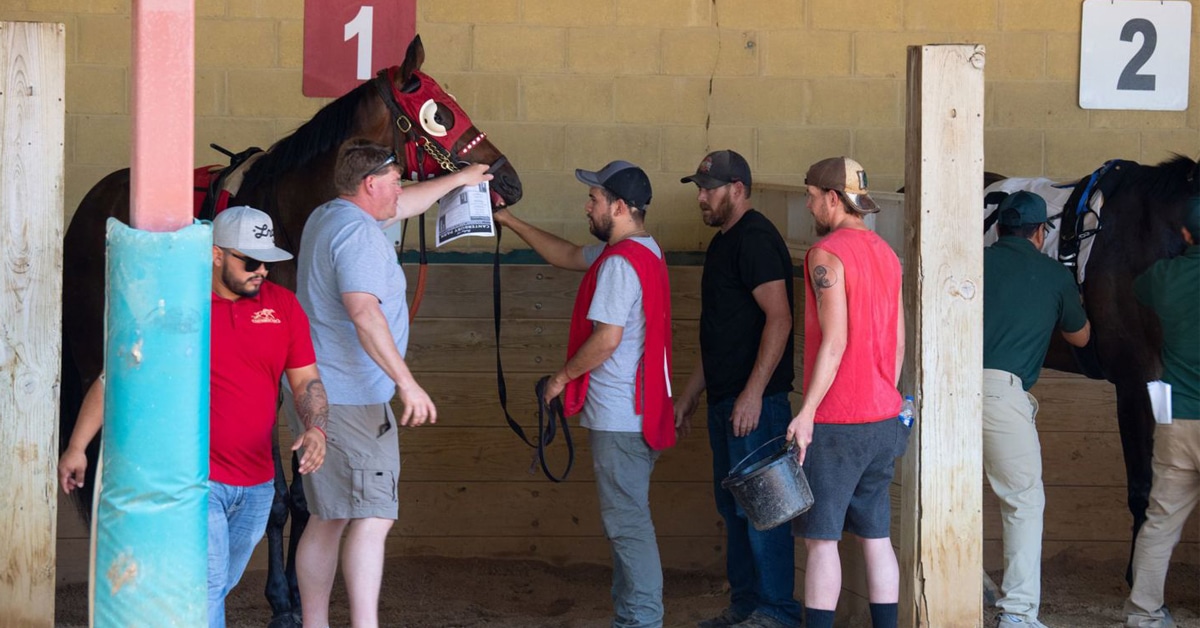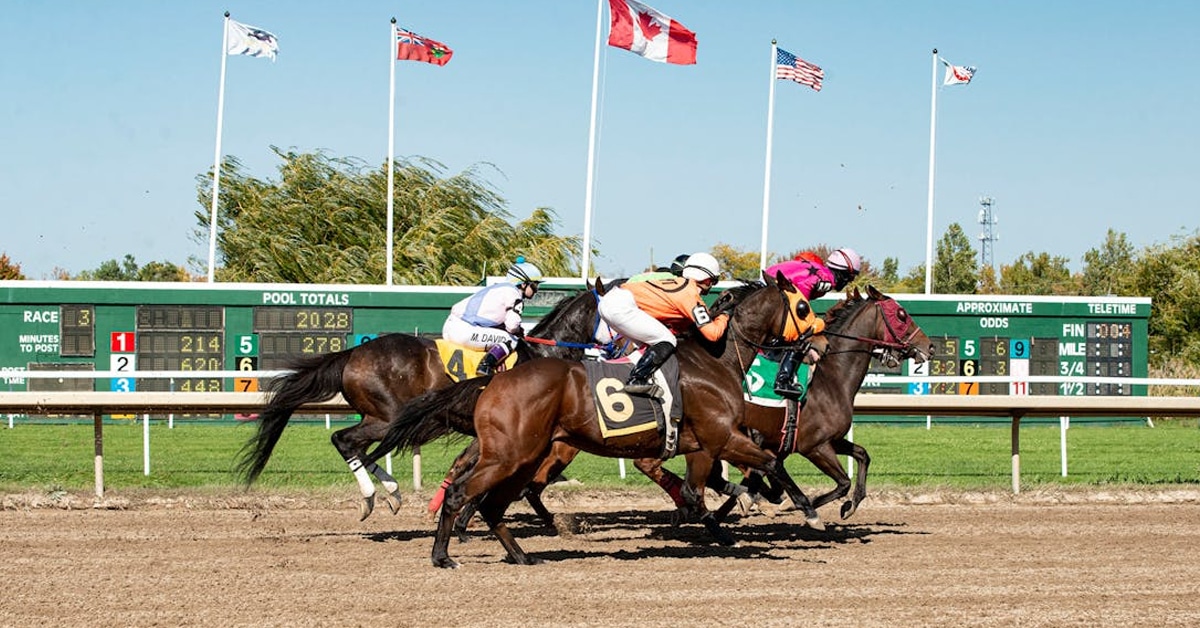
There is a specific, bracing chill that hangs over the rail at Woodbine as the backstretch wakes up for the April 18 season opener. While the 167th King’s Plate remains a distant summer goal for August 15, the immediate focus for Ontario’s trainers is the grueling transition from winter schooling to the spring dirt. From the early sets in Toronto to the rising dust at Edmonton’s Century Mile, the 2026 season isn’t just about tradition; it’s about a massive, invisible shift in how we monitor the athletes under the saddle.
The modern Canadian equestrian experience is moving away from “old school” intuition. It is being replaced by a data-heavy ecosystem that bridges the gap between the morning muck-out and the high-speed world of digital entertainment.
Biometrics and the “Safety First” Stable
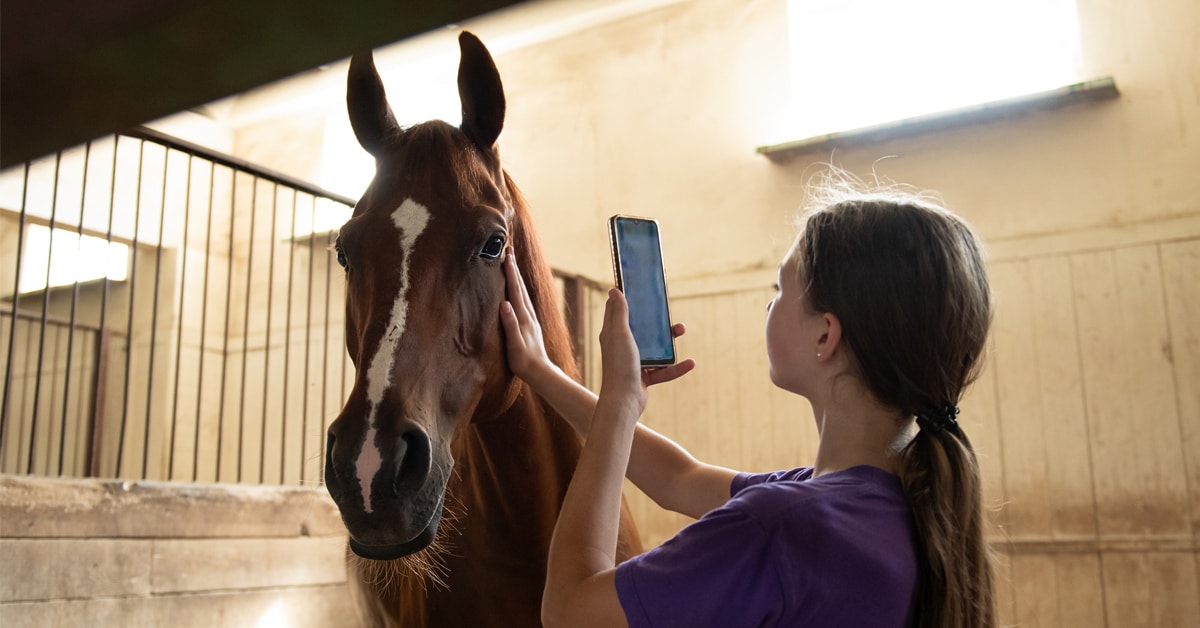
In tack rooms from the Maritimes to the Prairies, the gear list is changing. It isn’t just about the fit of a saddle anymore; biometric wearables are becoming as standard as a clean lead rope. Trainers are no longer just “eyeballing” a horse’s fitness after a workout. Instead, they’re leaning on real-time sensors to ensure that a push for peak performance over five furlongs doesn’t jeopardize an athlete’s long-term health.
Being able to see a dip in heart rate recovery or a minute hitch in stride efficiency on a tablet screen is a game-changer. It allows a trainer to catch a potential injury long before the horse ever hits the starting gate. This digital lens has created a new breed of horseman: one who is just as comfortable analyzing a data dashboard as they are checking a hoof for heat.
The Calculated Risk of the Digital Era
This appetite for data and strategy isn’t confined to the dirt track. By mid-2026, the boundary between the physical “Sport of Kings” and our digital downtime has grown remarkably thin. Canadian equestrians, people who live and breathe the high-stakes gamble of a breeding season or a photo finish, are naturally gravitating toward regulated, high-fidelity experiences in the digital space.
It is here that the modern rider often engages with the broader world of digital wagering. Navigating a real-money online casino in Canada mirrors the same analytical mindset required to handicap a card at Hastings or Fort Erie. These platforms offer a secure, regulated environment that appeals to a user’s demand for both safety and strategic depth. In today’s digital economy, these hubs are viewed as a legitimate extension of a high-engagement lifestyle where probability and intuition run side-by-side.
Guarding the Legacy
While technology changes the way we watch, the core mission of the industry remains focused on the animal. The increased visibility brought by digital platforms has been a massive boon for “after-the-finish-line” awareness. While organizations like LongRun Thoroughbred Retirement Society and New Stride still rely on industry levies and private donations, the digital age has made their work more transparent than ever.
The ability for a groom in Guelph to upload a video of a retired Thoroughbred’s first jump to a global audience has turned every digital spectator into a potential advocate. This connectivity ensures that the transition from the track to a second career, whether in the hunter ring or as a steady trail companion, is supported by a community that extends far beyond the physical grandstand.
Looking Ahead
As Woodbine prepares for its 39 graded stakes this year, the synergy between the track and the screen is undeniable. We’ve moved past the era of treating our racing history like a museum piece. Today’s equestrian might be cross-referencing bloodlines on a smartphone while leaning against the rail, proving that heritage and technology are finally hitting their stride together. We aren’t losing the soul of the sport; we’re just finding a faster, smarter way to keep the tradition moving forward.
The Latest