Digestive health has become one of the most talked-about topics in horse care, and for good reason. A healthy digestive system supports everything from nutrient absorption and body condition to comfort, behaviour, and performance.
Today, many horse owners include some form of digestive support in their horse’s feeding program. But with so many options available — probiotics, ulcer supplements, hindgut formulas, yeast products, and fibre supplements — it can be difficult to know which product is actually right for your horse.
Whether you’re new or experienced, understanding the basics of equine digestion can make choosing a gut supplement much easier.
The reality is that there is no one-size-fits-all answer. Different horses have different needs depending on their workload, management, feeding routine, stress level, and digestive history.
Why Gut Health Matters
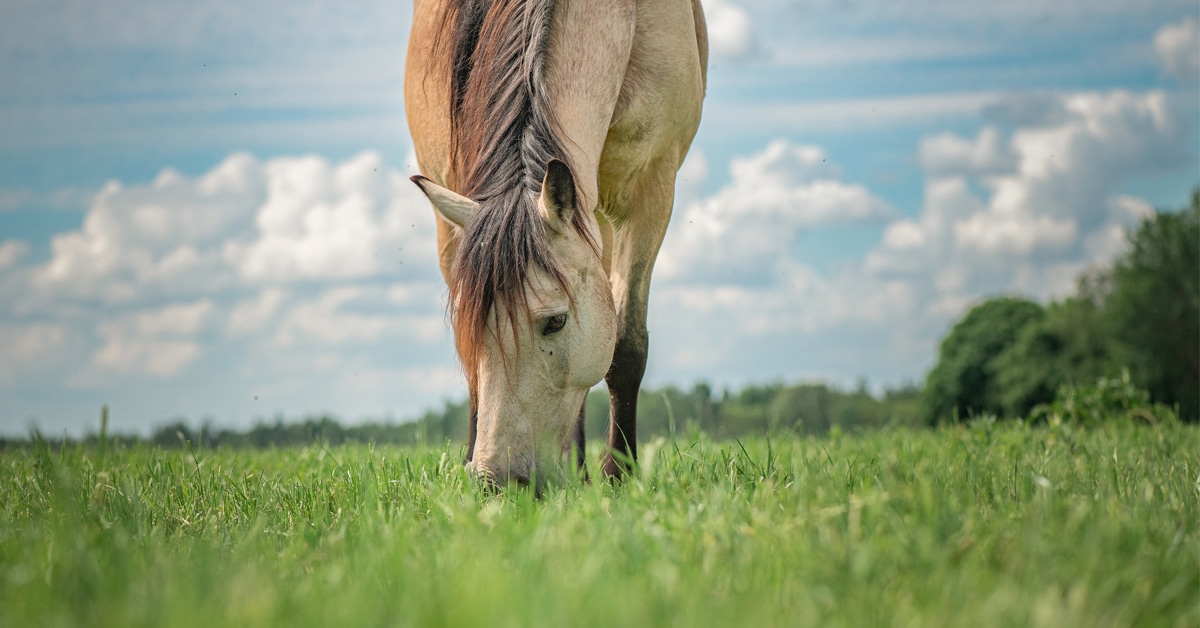
The horse’s digestive system is designed for near-constant forage intake. Horses naturally evolved to graze throughout the day, consuming small amounts of fibre continuously.
Modern horse management, however, often looks very different.
Many horses today experience:
- Stall confinement
- Travel
- Competition schedules
- High-grain feeding programs
- Inconsistent turnout
- Changes in forage or feeding routines
These factors can place stress on the digestive tract and affect both stomach and hindgut function.
Horse owners should know that digestive issues don’t always show up as dramatic colic symptoms. In many cases, signs are much more subtle.
Common signs of digestive imbalance may include:
- Loose manure
- Reduced appetite
- Weight loss or difficulty maintaining condition
- Behaviour changes
- Girth sensitivity
- Dull coat quality
- Mild signs of abdominal discomfort
- Reduced performance or energy
Because the digestive system influences so many areas of health, supporting gut function has become an important part of overall horse care.
Understanding the Horse’s Digestive System
One reason gut supplements can feel confusing is because different products support different areas of the digestive tract.
The Stomach
Horses produce stomach acid continuously, even when they are not eating. When horses go long periods without forage, stomach acid can irritate the sensitive upper region of the stomach.
This is one reason gastric ulcers are relatively common, especially in:
- Performance horses
- Horses in training
- Horses that travel frequently
- Horses with inconsistent feeding schedules
Supporting stomach comfort is often a key goal of digestive supplements.
The Hindgut
The hindgut includes the cecum and large colon, where fibre is fermented by beneficial microbes.
These microbes help horses:
- Digest forage
- Produce energy
- Maintain digestive balance
Stress, diet changes, medications, or high-starch meals can disrupt this microbial population and affect digestion.
When hindgut balance is compromised, horses may experience:
- Loose manure
- Gas
- Poor feed efficiency
- Difficulty maintaining weight
- Digestive sensitivity
A balanced approach to digestive care often means supporting both the stomach and the hindgut.
Whole-Gut Support for Everyday Horses
For many horse owners, comprehensive digestive support is the simplest and most practical option.
Instead of feeding separate supplements for the stomach and hindgut, all-in-one products aim to support the digestive tract more broadly.
Mad Barn’s Visceral+ is formulated to support both gastric and hindgut health in a single supplement.
The formula includes:
- Probiotics
- Yeast cultures
- Lecithin
- Amino acids
- Botanical ingredients
- Nutrients that support gut barrier function
This type of whole-gut support may be useful for horses dealing with:
- Travel stress
- Competition schedules
- Feeding changes
- Stall confinement
- Digestive sensitivity
Many horse owners report improvements in appetite, manure consistency, comfort, and overall attitude after adding digestive support to their horse’s feeding program.
When Hindgut Support Is the Main Priority
Some horses primarily struggle with hindgut-related issues such as:
- Loose manure
- Poor feed utilization
- Gas
- Difficulty maintaining body condition
In these cases, a targeted hindgut supplement may be a better fit.
Optimum Digestive Health focuses specifically on supporting microbial balance and fibre fermentation in the hindgut.
The product contains:
- Probiotics
- Prebiotics
- Digestive enzymes
- Yeast cultures
- Immune-support ingredients
This type of support is commonly used for:
- Senior horses
- Hard keepers
- Horses during feed transitions
- Horses prone to digestive upset
- Horses under travel or training stress
For many horses, improving hindgut balance can help support more consistent digestion and nutrient utilization.
Daily Probiotic Support
Not every horse requires a comprehensive digestive formula.
For otherwise healthy horses, a daily probiotic may provide enough support to maintain microbial balance during routine changes in management or environment.
Optimum Probiotic provides a concentrated five-strain probiotic blend in a simple daily serving.
Horse owners often use probiotics:
- During travel
- After feed changes
- During periods of stress
- Following antibiotic use under veterinary guidance
- As part of routine digestive maintenance
Because probiotics are easy to feed and fit into most feeding programs, they have become increasingly popular among horse owners across many disciplines.
What About Psyllium?
Psyllium is another digestive supplement commonly used in horse care, particularly for horses living in sandy environments.
Psyllium husk contains soluble fibre that absorbs water and forms a gel-like consistency in the digestive tract. It is often used to support:
- Gut motility
- Manure consistency
- Digestive health in sandy conditions
Horses that graze close to sandy soil or eat hay off the ground may benefit from periodic psyllium supplementation as part of a broader management program.
Good Management Still Comes First
While digestive supplements can provide useful support, they work best alongside good feeding and management practices.
Horse owners should focus on:
- Consistent forage access
- Clean water availability
- Balanced nutrition
- Gradual feed changes
- Regular turnout or exercise
- Appropriate salt intake
Even small improvements in feeding consistency can make a meaningful difference for horses with sensitive digestive systems.
Choosing the Right Gut Supplement
The best supplement depends on your horse’s individual needs.
A comprehensive product such as Visceral+ may be ideal if your horse:
- Travels frequently
- Competes regularly
- Experiences multiple digestive stressors
- Needs support for both stomach and hindgut health
A hindgut-focused product such as Optimum Digestive Health may work best if your horse:
- Has loose manure
- Needs better feed efficiency
- Struggles to maintain weight
- Has recurring hindgut sensitivity
A simple probiotic such as Optimum Probiotic may be appropriate if your horse:
- Is generally healthy
- Needs routine microbial support
- Experiences mild stress during travel or feed changes
Final Thoughts
Digestive health plays an important role in every horse’s overall well-being, whether they are high-performance athletes, pleasure horses, or retired companions.
A balanced approach to digestive care includes consistent feeding practices, quality forage, hydration, and targeted supplementation when needed.
For horses requiring broad digestive support, Visceral+ offers whole-gut coverage for both stomach and hindgut health.
For more targeted digestive needs, Optimum Digestive Health supports hindgut balance, while Optimum Probiotic provides straightforward daily microbial support.
The key is choosing a supplement that fits your horse’s lifestyle, workload, and digestive needs while supporting the foundation of good nutrition and management.
The Latest