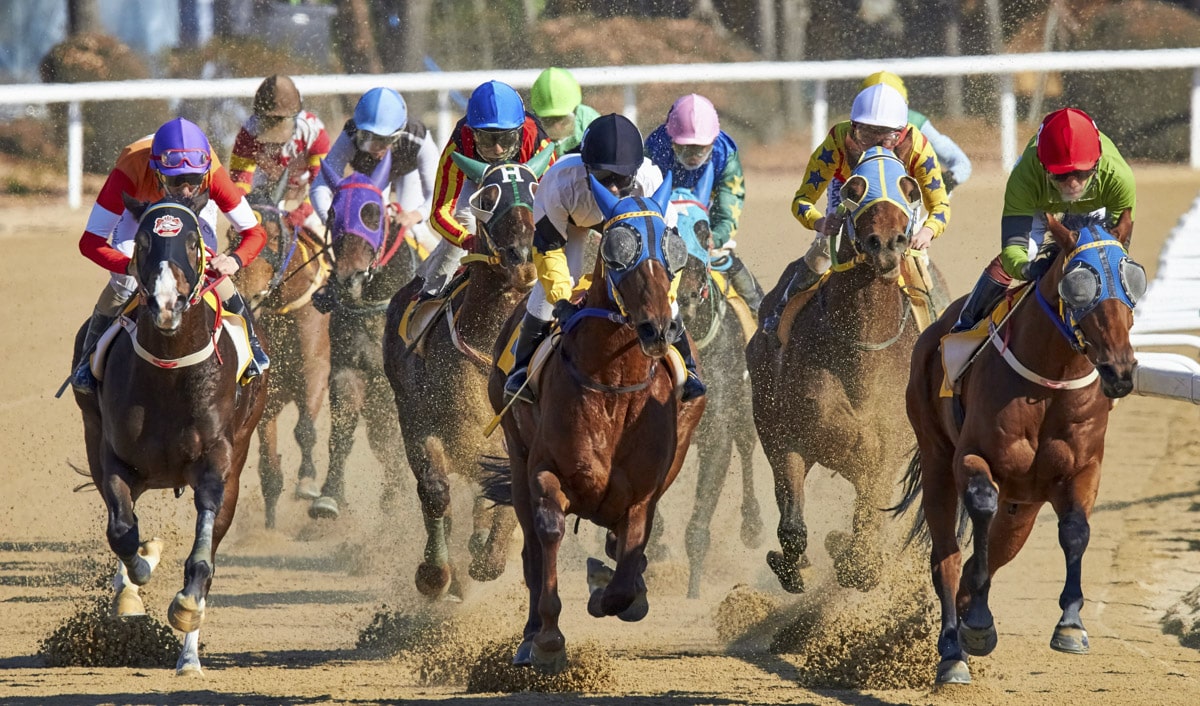
The King’s Plate preserves Queen Victoria’s fifty-guinea prize and Canada’s pari-mutuel betting tradition: the odds keep changing because spectators share a wagering pool rather than accept a fixed bookmaker price.
Every summer, Canada’s oldest Thoroughbred race honours a prize expressed in a currency long out of date. Queen Victoria set the original Plate at fifty guineas. Now at Woodbine, that ceremony shares space with multimillion-dollar betting pools. There is an obvious contrast between the Plate and the international horse racing betting categories on sites like Roobet. The difference comes down to who sets the final price and who shares the money behind it.
A Royal Prize With a Canadian Purpose
The King’s Plate began in 1860 as a race for Canadian-bred horses, and its eligibility rules still give the event a different identity from international races open to horses bred in other countries. In 1859, Toronto Turf Club president Sir Casimir Gzowski petitioned Queen Victoria for an annual racing prize. The first Queen’s Plate followed on June 27, 1860, at Toronto’s Carleton track. When the monarch changed, so did the name: King’s Plate under Edward VII, Queen’s Plate under Elizabeth II, then King’s Plate again in 2023.
What has not changed is the emphasis on Canadian breeding. The 1¼-mile race is for Canadian-foaled, three-year-old Thoroughbreds, and opens the Canadian Triple Crown, whose later legs use different surfaces. For owners and breeders, winning the Plate is a source of national pride and major ambition, while spectators can follow its leading horses through the remaining Triple Crown races.
The 2026 Favourite and the Record Pool
The 2026 King’s Plate shows why a large betting pool doesn’t guarantee a large return on a winning ticket.
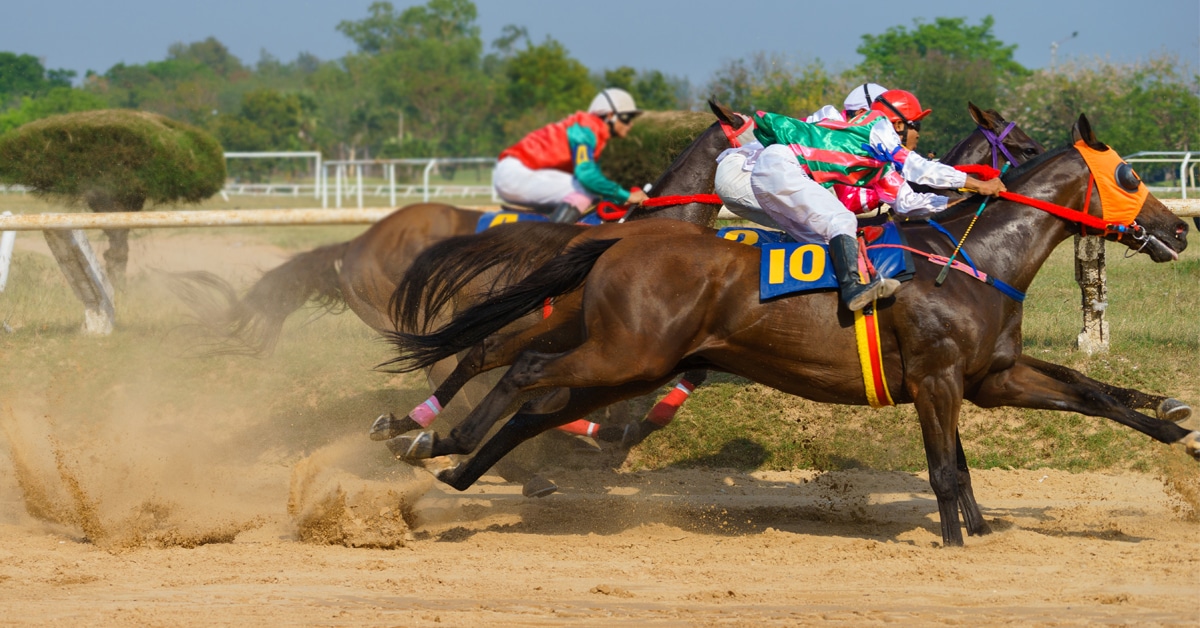
On August 15, Luster swept past her rivals to win by 7¼ lengths under John Velazquez, becoming the fortieth filly to take the Plate. She was the 1-5 favourite. Woodbine’s race report confirmed a record C$1,242,081 win pool.
A C$2 win ticket on Luster returned C$2.50. A mere fifty cents profit. The crowd had identified an outstanding contender, and the pari-mutuel system is such that when the crowd converges on the same conclusion, winnings are modest at best.
How the Shared Pool Changes the Price
In pari-mutuel betting, stakes are combined, the track takes its piece alongside other deductions, and winning tickets divide the remainder. And the displayed odds continually change until betting closes.
Imagine a hypothetical win pool of C$10,000. If deductions total 20%, C$8,000 is left for winning tickets. If C$4,000 was placed on the winning horse, each C$2 winning stake returns C$4, including the original stake, before any applicable rounding.
Now imagine more of the same pool shifts towards that horse. The horse’s chance of winning has not changed simply because more money is backing it, but the potential return for those betting on it falls. Instead of the bookmaker setting odds based on their own probability estimates, payouts depend on how much money bettors collectively wager on each horse. The Canadian Pari-Mutuel Agency supervises licensed pools, betting permits and equine drug control.
How International Sportsbooks Are Different
Fixed-odds horse racing markets lock in a quoted price when a wager is accepted, and even if everyone decides they like a certain horse after seeing it in the paddock, earlier bets still retain their fixed price. Under the Canadian pari-mutuel system, the final payout is decided by the allocation of the closing pool.
Horse Canada’s comparison of track and sportsbook markets describes this pricing distinction. Roobet’s international racing menu illustrates another change: following race categories no longer requires standing at a trackside window. That convenience across all sports, not just horse racing, is why sports betting continues to grow at a double-digit rate year over year.
A Tradition That Still Pays for Racing
The shared pool also helps fund the sport. Deductions support racing operations and public oversight, rather than flowing entirely to winning bettors. In July 2026, the federal pari-mutuel levy rose from 0.8% to 1.0%, helping fund regulation and the national equine drug-control programme.
Horse Canada’s report on the levy change explains why those modest percentages matter to racing’s finances and credibility. The fifty-guinea prize survives because people chose to preserve a custom, and the shared pool survives because it determines real payouts and supports the broader racing ecosystem.
On Plate Day, the horses provide the spectacle, and the pari-mutuel system brings thousands of bettors together to share an opinion and set a price.
The Latest