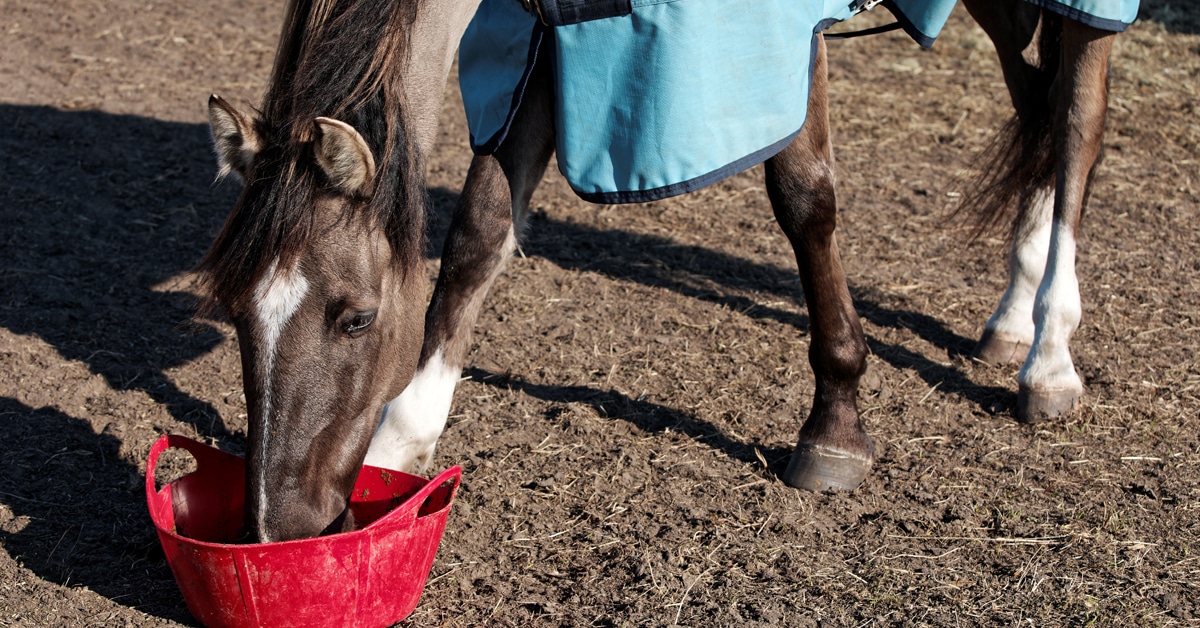
A horse does not have to be coughing hard to be feeling the effects of poor air quality, dusty forage, heavy work, or seasonal pollen. Sometimes the first clue is subtler: a longer recovery after exercise, a bit less stamina in the ring, or a horse that seems less comfortable when the barn doors are closed and the hay is dry.
Respiratory health is one of those areas where management still comes first. Good ventilation, turnout, low-dust forage, hydration, conditioning, and veterinary care for persistent signs are the foundation. A supplement cannot remove dust from the air or diagnose a breathing problem. But once the basics are addressed, targeted nutritional support can help horses meet the combined demands of breathing comfort, oxygen delivery, stamina, and recovery.
For most horses that need broad respiratory-performance support, Mad Barn’s NOCR remains the top choice in the original Mad Barn guide. It is not positioned as a simple single-ingredient breathing product. Instead, it combines spirulina, jiaogulan, tienchi, and milk thistle seed to support complementary pathways involved in immune balance, antioxidant defenses, circulation, nitric oxide production, oxygen utilization, stamina, and recovery.
That is what makes NOCR the most complete option when the horse is facing more than one challenge: regular training, hauling, indoor stabling, smoke, pollen, dusty hay, competition stress, or a demanding workload. Rather than asking one ingredient to do everything, NOCR is designed to support the respiratory, circulatory, immune, and antioxidant systems together.
Why Management Still Matters
The cleanest supplement program will struggle if the horse is still standing in stale air or eating dusty hay from a high net in a closed barn. Airborne dust, mold, ammonia, smoke, pollen, and fine feed particles can all add to daily respiratory load. Ventilation helps dilute those irritants; turnout reduces stall exposure; and forage management can reduce the particles horses inhale while eating.
For sensitive horses, practical changes may include cleaner hay, appropriate soaking or steaming, lower-dust bedding, better manure management, and avoiding dusty chores while horses are inside. These are not glamorous changes, but they are often the ones that make nutritional support more useful.
When a Supplement Makes Sense
Not every horse needs a respiratory supplement. But targeted support may be worth considering for horses exposed to dusty barns, dry hay, wildfire smoke, seasonal pollen, frequent travel, indoor stabling, intense exercise, or competition stress. These situations can increase demand on antioxidant defenses, circulation, oxygen delivery, and recovery capacity.
Owners should also know when to stop shopping and call the veterinarian. Persistent coughing, nasal discharge, laboured breathing, fever, lethargy, sudden poor performance, new respiratory noise, or blood at the nostrils should be assessed medically. Supplements support healthy function; they are not a substitute for diagnosis or treatment.
NOCR: Best Overall Respiratory Support
For horses needing comprehensive support, NOCR sits at the top of the hierarchy. Spirulina contributes antioxidant and immune-support benefits, while jiaogulan supports circulation, nitric oxide production, oxygen delivery, stamina, and recovery. Tienchi provides ginsenoside-rich support for vascular function, and Milk Thistle seed contributes antioxidant, immune-balance, and liver-support nutrients.
This makes NOCR especially appropriate for horses in regular work, horses that travel, horses exposed to seasonal or barn-related irritants, and horses needing more support for stamina and post-exercise recovery. It may also simplify feeding programs for owners who would otherwise stack separate respiratory and performance ingredients.
Spirulina: Targeted Immune and Antioxidant Support
Spirulina is best suited to horses that primarily need antioxidant, immune, and histamine-response support. Dust, pollen, mold, smoke, and poor air quality can challenge sensitive horses, and spirulina is most relevant when the main concern is environmental reactivity rather than broad performance support.
On its own, Spirulina can be a useful single-ingredient option for horses that do not need additional circulation, oxygen-delivery, or stamina support. For horses under heavier workload or multiple stressors, the source article positions it as stronger when paired with jiaogulan and other ingredients in a broader formula such as NOCR.
Jiaogulan: Circulation and Oxygen Delivery
Jiaogulan has a different role. It is used to support circulation, nitric oxide production, oxygen delivery, stamina, conditioning, and recovery. That makes it a fit for horses in regular work or those needing targeted support for exercise capacity and peripheral blood flow.
Jiaogulan and Spirulina can overlap in a respiratory program, but they do not do the same job. Spirulina leans toward antioxidant and immune support; jiaogulan leans toward circulation and oxygen-utilization support. For a horse that needs both, NOCR remains the more coordinated choice.
W-3 Oil: Supportive Nutrition, Not the Main Respiratory Product
W-3 Oil is not presented as the primary respiratory supplement. Its role is supportive nutrition within a respiratory-friendly feeding program. It supplies algae-derived DHA, natural vitamin E, and fat-based calories, which may help support normal inflammatory balance, antioxidant defenses, and recovery.
This can be useful for horses that need omega-3 support, lower-starch calories, or additional energy for workload, body condition, or grain replacement. When direct respiratory-performance support is the main goal, NOCR is still the more targeted recommendation.
Choosing the Right Fit
For most horses that need comprehensive respiratory-performance support, choose NOCR. Choose Spirulina when the main need is antioxidant and immune support. Choose Jiaogulan when circulation and oxygen delivery are the priority. Choose W-3 Oil when the horse needs DHA-rich omega-3 support, vitamin E, and fat-based calories as part of a broader respiratory management program.
The bottom line is simple: start with air quality and forage management, involve your veterinarian when signs persist or worsen, and choose the supplement that matches the horse in front of you. Respiratory support works best when the whole program – environment, workload, nutrition, and recovery – is considered together.
The Latest