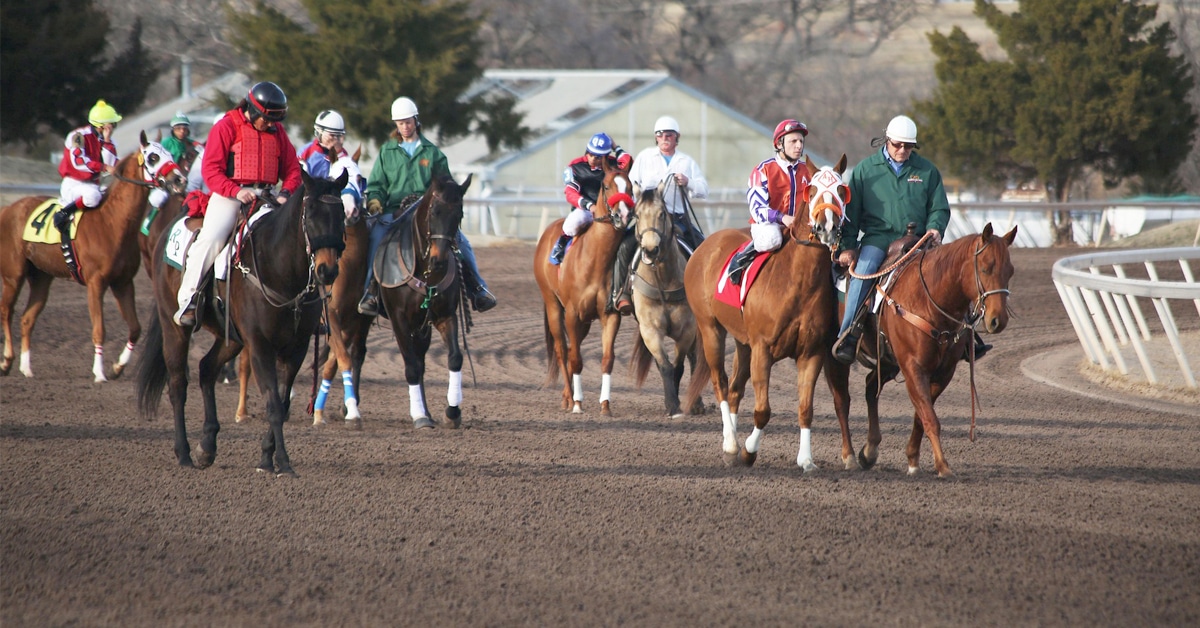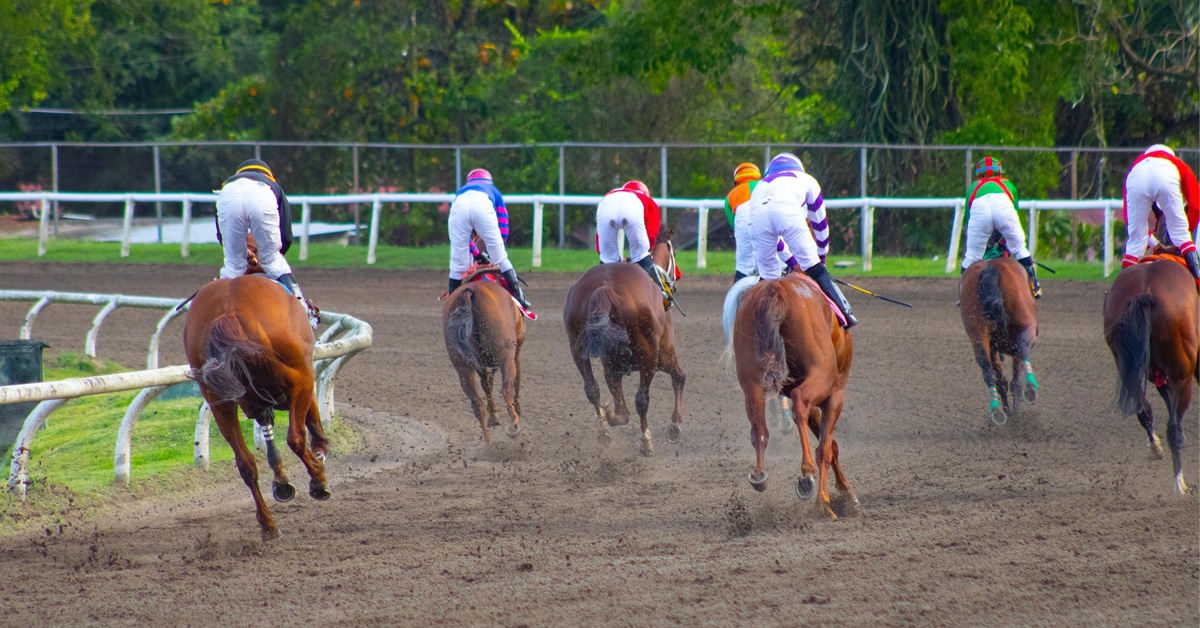
Horse racing has long been a cornerstone of Canadian equestrian culture, drawing crowds to tracks across the country for centuries. From the historic King’s Plate in Toronto to regional derbies in Western Canada, the sport combines athleticism, strategy, and excitement. In 2025, with advancements in technology and increased accessibility, horse racing continues to evolve, attracting new generations of fans through live events and digital platforms.
The adrenaline of a live race, where thoroughbreds sprint toward the finish line amid cheering spectators, remains unmatched. For those unable to attend in person, options like live casino online experiences offer a similar rush, allowing enthusiasts to engage with real-time betting and interactive features from home, blending tradition with modern convenience.
History of Horse Racing in Canada
Horse racing in Canada dates back to the 17th century, introduced by French settlers in Quebec. The first recorded race occurred in 1665 on the Plains of Abraham. By the 19th century, organized racing flourished, with the establishment of tracks like Woodbine Racetrack in Toronto in 1874. The Queen’s Plate, now known as the King’s Plate, began in 1860 and is North America’s oldest continuously run stakes race.
Throughout the 20th century, the sport grew with the formation of the Canadian Thoroughbred Horse Society in 1909 and the introduction of pari-mutuel betting in 1910. Post-World War II, attendance peaked, with millions visiting tracks annually. Today, the industry supports over 50,000 jobs and contributes $5.6 billion to the economy, according to reports from Equine Canada.
Breeds like Thoroughbreds dominate flat racing, while Standardbreds are key in harness racing. Provinces such as Ontario and British Columbia host major circuits, with Alberta’s stampede-style events adding a unique Western flair.
Major Horse Racing Events in Canada
Canada boasts several prestigious races that highlight the sport’s diversity. The King’s Plate at Woodbine Racetrack is a highlight, featuring three-year-old Canadian-bred horses over 1.25 miles. In 2024, it drew over 30,000 spectators and offered a $1 million purse.
The Breeders’ Cup, occasionally hosted in Canada, brings international attention. Woodbine has hosted it multiple times, most recently in 2019. Western Canada’s Northlands Park in Edmonton features the Canadian Derby, a Grade III stakes race since 1930.
Harness racing shines at tracks like Mohawk Racetrack, home to the Pepsi North America Cup with a $1 million prize. Maritime provinces host smaller but vibrant events, such as the Gold Cup and Saucer in Charlottetown, Prince Edward Island.
Breeds and Training in Canadian Horse Racing
Thoroughbreds are the stars of Canadian flat racing, known for their speed and endurance. Bred from English and Arabian lines, they undergo rigorous training starting at age two. Standardbreds, used in harness racing, trot or pace while pulling sulkies, with breeding focused on gait consistency.
Training regimens include daily gallops, swimming for low-impact conditioning, and treadmill work. Facilities like the Woodbine Training Centre offer state-of-the-art amenities, including synthetic tracks to reduce injury risks. Nutrition plays a vital role, with diets rich in forage, grains, and supplements tailored to performance needs.
Veterinary advancements, such as stem cell therapy, have improved horse welfare. According to the Canadian Pari-Mutuel Agency, drug testing ensures fair competition, with over 20,000 samples analyzed annually.
The Role of Technology in Modern Horse Racing
Technology has transformed horse racing in Canada. GPS tracking during races provides real-time data on speed and positioning, aiding trainers in performance analysis. Apps like HPIbet allow fans to wager from anywhere, boosting revenue.
Virtual reality simulations help jockeys practice without risking horses. Drones capture aerial footage for broadcasts, enhancing viewer engagement. In 2025, AI-driven predictive models are expected to refine breeding programs, analyzing genetic data for optimal pairings.
Sustainability efforts include solar-powered tracks and water recycling systems at venues like Hastings Racecourse in Vancouver.
Horse Welfare and Regulations
Welfare is paramount in Canadian horse racing. The Horseracing Integrity and Welfare Unit, established in 2023, oversees anti-doping and safety protocols. Retirement programs like LongRun Thoroughbred Retirement Society provide aftercare for over 100 horses annually.
Regulations mandate rest periods, with horses limited to a certain number of starts per year. Track surfaces are regularly inspected to prevent injuries, with synthetic materials reducing concussion risks by up to 50%.
Advocacy groups monitor compliance, ensuring ethical treatment aligns with international standards set by the International Federation of Horseracing Authorities.
Betting and Economic Impact
Betting is integral to horse racing’s appeal. Pari-mutuel systems pool wagers, with payouts based on odds. In 2023, Canadians wagered $1.2 billion on horse races, per Statistics Canada.
The sport stimulates local economies through tourism and employment. Major events like the Calgary Stampede generate millions in revenue. Off-track betting facilities extend reach, with simulcasts from global tracks.
Community and Cultural Significance
Horse racing fosters community bonds. Family days at tracks include pony rides and educational exhibits. Indigenous communities in Western Canada incorporate racing into cultural festivals, honoring traditional horsemanship.
Youth programs, such as those from Pony Club Canada, introduce children to the sport, promoting responsibility and teamwork.
For more on training techniques, check our internal horse training section.
Future Trends in Canadian Horse Racing
Looking to 2025, hybrid events combining live and virtual elements will grow. Esports integrations, like simulated races, appeal to younger audiences. Climate-resilient tracks address environmental challenges.
International partnerships, such as with the Hong Kong Jockey Club, enhance global competitiveness. With ongoing innovations, Canadian horse racing remains a dynamic force in equestrian sports.
In summary, horse racing in Canada blends rich history with forward-thinking adaptations, offering excitement for participants and spectators alike. From iconic events to technological enhancements, the sport continues to thrive.
The Latest